Idlib Farmers Seek New Markets for Pomegranate Surplus
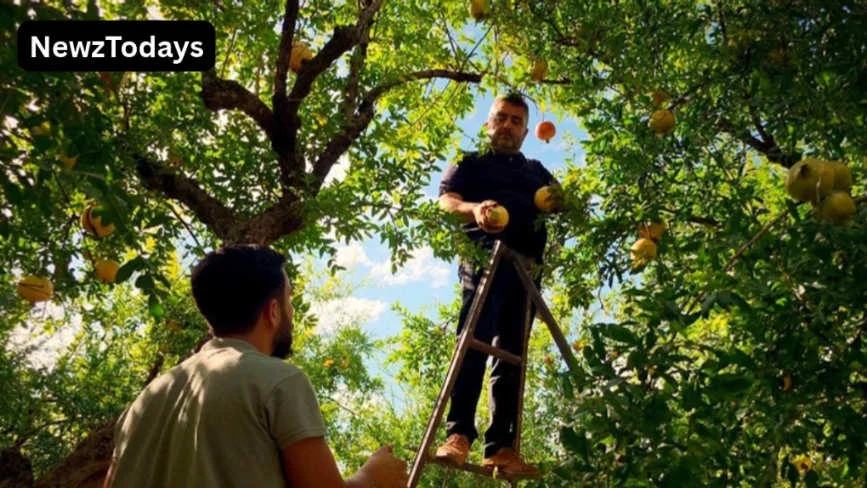
In the northwestern Syrian region of Darkush, located in Idlib province near the Turkish border, pomegranate farmers are facing significant challenges in marketing their abundant harvest. Despite promising yields this season, producers grapple with escalating production costs, low market prices, and limited avenues for export.
Challenges Impacting Pomegranate Producers
Darkush’s fertile valley in the Orontes River basin hosts over 250 hectares of pomegranate orchards, forming a crucial source of income for more than 70 percent of local farmers. However, rising expenses on pesticides, labor, packaging, and transportation have left many cultivators struggling to break even. Agricultural supervisor Mohammad Dada highlighted that producing a single kilogram of pomegranates costs roughly 50 Syrian pounds (around $0.41), a figure that current sales prices fail to cover adequately.
Farmers are advocating for support measures such as subsidized agricultural inputs and enhanced cold storage facilities to help preserve their produce. Many varieties, including Nab Al-Jamal and Asfouri, are harvested between mid-September and early October and are used not only for fresh consumption but also for making pomegranate molasses and juice, products which add value and diversification opportunities.
Export Limitations and Rising Transport Costs
The inability to access broader export markets has restricted sales possibilities, forcing farmers to rely heavily on domestic demand that cannot absorb the entire crop. Transporting pomegranates to major Syrian cities like Damascus has become costly, mainly due to fuel price increases. According to trader Samer Bakro, renting vehicles for shipment can cost around $130, exacerbating the farmers’ financial pressures.
The lack of sufficient storage options further compounds the issue, as excess harvests struggle to be preserved for extended periods, leading to potential losses. Expanding market access and improving logistics infrastructure could provide much-needed relief by enabling producers to sell surplus output at fairer prices.
Why This Matters for Pakistan
Although this situation unfolds in Syria, it holds relevance for Pakistani agriculture stakeholders who increasingly seek to diversify export markets and improve supply chain efficiencies. The experience of Idlib’s pomegranate growers underlines the importance of accessible cold storage, affordable inputs, and broad market linkages—common challenges faced by many developing agricultural economies. Strengthening these areas could help Pakistani farmers avoid similar barriers, enhance fruit export potential, and secure sustainable incomes amid fluctuating global conditions.
As Mohammad Dada aptly stated, addressing these challenges through coordinated support is vital for safeguarding the livelihoods of communities reliant on pomegranate production.