

Jeffrey Epstein: Netflix Documentary Probes Power and Silence
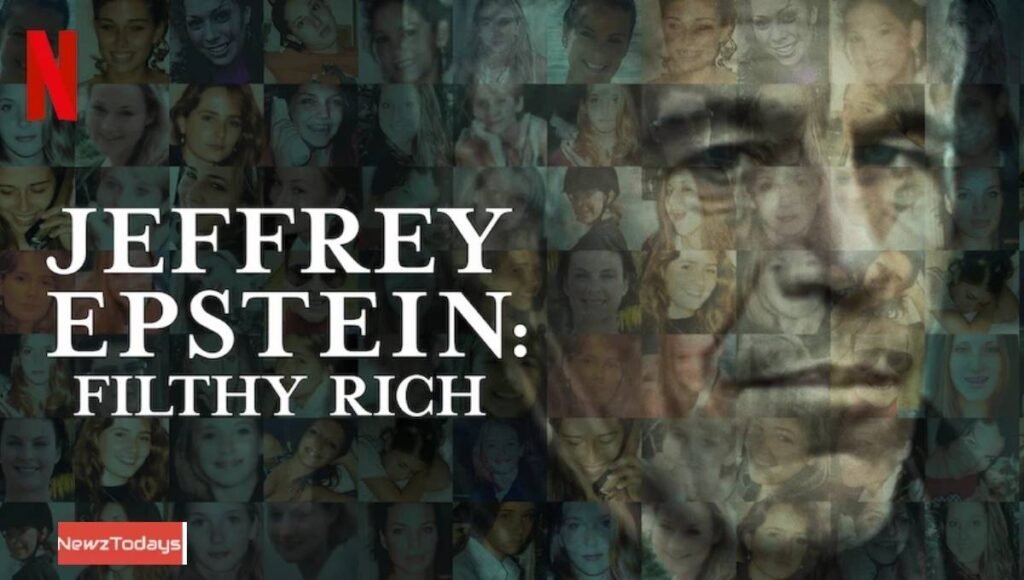
Jeffrey Epstein: Filthy Rich is a four-part Netflix documentary examining one of the most notorious sex trafficking scandals in recent U.S. history. The series explores how financier Jeffrey Epstein allegedly used wealth, influence, and elite connections to exploit young women for decades while largely avoiding accountability.
Based on the 2016 book Filthy Rich by James Patterson and investigative journalists, the series shifts focus away from headlines and toward survivor testimony. Rather than centering on conspiracy narratives, it examines documented legal proceedings, media investigations, and systemic failures.
Survivor Voices at the Center
The documentary’s most powerful element is its reliance on first-person survivor accounts. Women describe being recruited as teenagers through promises of financial help, mentorship, or career opportunities. Those initial encounters, they say, quickly escalated into coercion, manipulation, and sexual abuse.
Read More: Meri Zindagi Hai Tu sparks debate over romance and alcohol scenes
The series outlines alleged patterns of grooming and emotional control. Survivors recount how isolation, intimidation, and legal threats discouraged them from speaking publicly for years. By foregrounding their voices, the documentary reframes the scandal as a story about resilience and justice rather than notoriety.
The 2008 Plea Deal Controversy
A central focus is the controversial 2008 non-prosecution agreement in Florida. Despite allegations involving minors, Epstein secured a plea deal that allowed him to serve a relatively short sentence with work-release privileges.
The documentary examines how prosecutorial discretion and negotiated settlements shaped the outcome. Critics at the time argued the agreement reflected unequal treatment under the law. Years later, renewed scrutiny of that deal contributed to broader debate over accountability in cases involving wealthy defendants.
Elite Connections and Influence
The series also details Epstein’s social and professional network. As a financier operating in elite circles, he associated with prominent political figures, business leaders, and academics. The documentary stops short of speculation but highlights how proximity to power reinforced his public legitimacy.
Ghislaine Maxwell features prominently in the narrative. The series examines allegations that she played a role in recruitment and facilitation, an issue later examined in separate criminal proceedings.
The 2019 Arrest and Death
In 2019, federal prosecutors charged Epstein with sex trafficking minors. His arrest reignited global attention and renewed scrutiny of earlier legal decisions. Weeks later, he was found dead in his jail cell while awaiting trial.
Authorities ruled the death a suicide, but public skepticism persisted. The documentary outlines the timeline of events and emphasizes that many survivors were denied the opportunity to see a full trial unfold.
Systemic Failures and Cultural Impact
Beyond individual accountability, Jeffrey Epstein: Filthy Rich examines institutional shortcomings. The series questions how allegations spanning years failed to trigger sustained legal consequences. It addresses the role of law enforcement, legal representation, and media oversight.
Critics noted the documentary’s restrained tone and survivor-centered structure. Its release contributed to continued public conversation about trafficking, exploitation, and reform within the justice system.
The series ultimately presents a stark case study of how wealth and influence can distort accountability. By focusing on survivor experiences, Jeffrey Epstein: Filthy Rich underscores the need for transparency and systemic safeguards to prevent similar abuses in the future.