Medium Unveils TK, a Free AI-Powered Writing Assistant
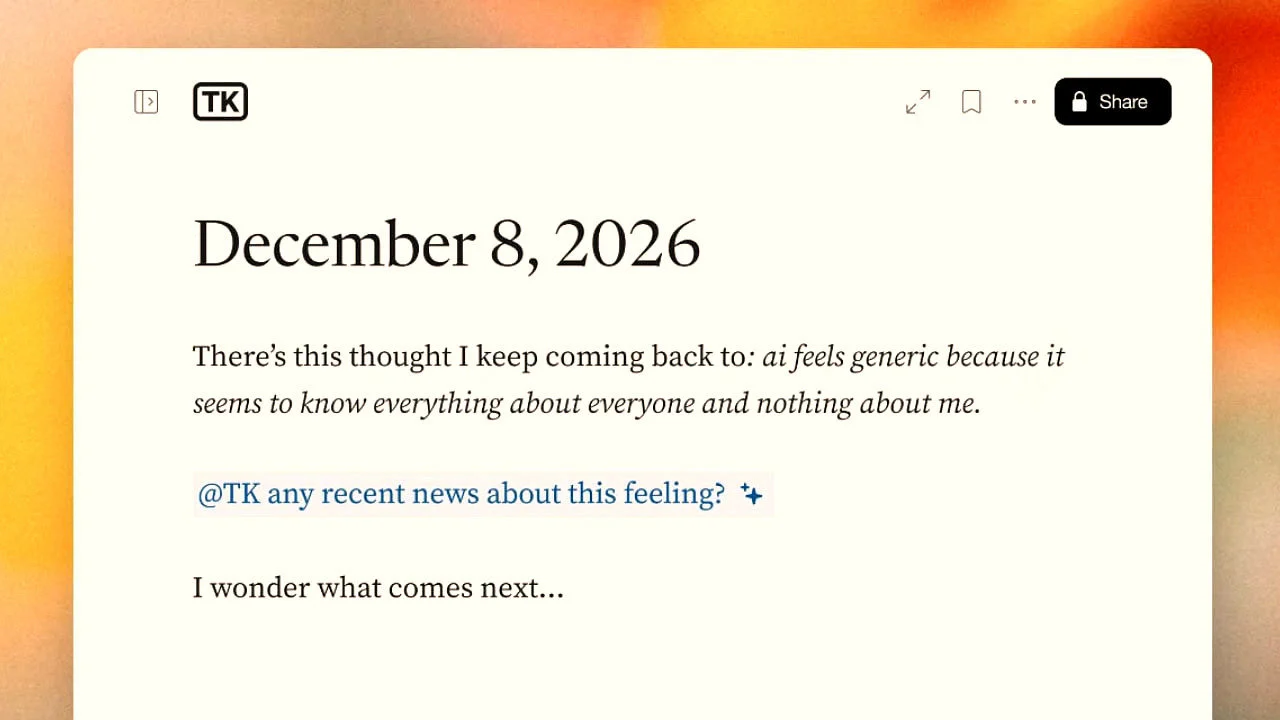
Medium has introduced TK, a no-cost AI-integrated writing application available to all users with a Medium account. Launched initially on the web, TK is designed to assist writers by embedding an AI helper directly within the writing editor. Users invoke the assistant by typing ‘@TK’ followed by their query or request, streamlining the writing and editing process without leaving the platform.
Features and Purpose of Medium’s TK AI Writing App
The app’s name, TK, refers to a journalistic placeholder term meaning ‘to come,’ traditionally used by writers to flag missing information. Medium repurposes this concept, using AI technology to fill in gaps and support various editorial tasks. TK can offer quick factual research, access and integrate previous drafts, and provide tailored feedback such as headline suggestions and style guide compliance aligned with Medium’s publication standards.
Moreover, TK allows connection to external AI agents via Medium’s MCP server or Claude skill, enhancing the tool’s ability to remember and reflect the user’s prior work and viewpoints. Beyond AI capabilities, TK incorporates a social collaboration feature that facilitates sharing early drafts with peers to obtain constructive feedback before finalizing content. Although TK supports importing and exporting Markdown files, it is not a dedicated Markdown editor and does not encrypt writing, prioritizing ease of collaboration with customizable access permissions to safeguard user work.
Why TK Matters for Pakistani Writers and the Publishing Industry
This development arrives amid widespread debates about the role of AI in creative writing and journalism, touching on issues such as authorship and content originality. Recent controversies include withdrawn book deals and questions over literary awards prompted by alleged AI involvement. Medium takes a progressive stance by emphasizing AI’s role as a tool that enhances human creativity rather than replaces it.
Significantly, TK incorporates transparency features, enabling authors to disclose how AI contributed to their work, including prompts and source materials. This approach aims to clarify authorship and counter fears of AI-generated content diluting human input. This move could provide Pakistani writers and the broader literary community with a platform that openly acknowledges AI assistance, potentially setting new standards for ethical publishing practices in the region.
Medium’s commitment signals a shift towards embracing AI tools in content creation while addressing quality and integrity concerns. For Pakistani authors and publishers, adapting to such innovations could redefine writing workflows, improve productivity, and foster greater collaboration, though debates over AI’s impact on creativity and originality are likely to persist.
As the publishing sector in Pakistan increasingly integrates digital tools, understanding and utilizing AI-assisted writing platforms like TK may offer competitive advantages and fresh opportunities for storytelling in the evolving media landscape.
Medium spokesperson stated, “AI makes writing more important, not less,” underscoring the company’s belief in AI as an empowering rather than diminishing force in literary creation.