

Meri Zindagi Hai Tu sparks debate over romance and alcohol scenes
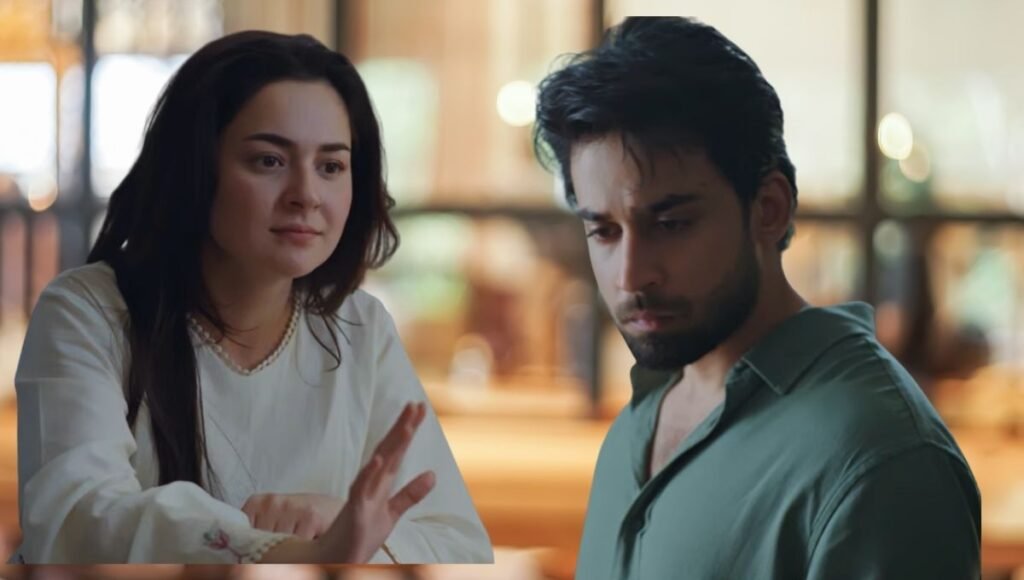
The Pakistani television drama Meri Zindagi Hai Tu has become a cultural flashpoint, drawing criticism from viewers and media commentators over its depiction of obsessive romance and repeated alcohol use.
The serial, airing on ARY Digital, follows the turbulent relationship between Kamyar, a wealthy and impulsive young man, and Ayra, a principled medical student. While the show’s strong production values and lead performances have driven high viewership, many audience members have voiced frustration with elements they consider unrealistic and socially irresponsible.
On social platforms, viewers have challenged the storyline’s romantic framing of aggressive behavior. Some argue the narrative normalizes stalking and harassment, with the male lead’s fixation on Ayra repeatedly portrayed as passion rather than problematic conduct. “What’s up with Pakistani dramas these days? Every other episode feels like an alcohol commercial,” one critic wrote about the frequent drinking scenes, calling attention to concerns about normalization of substance use.
Entertainment reviews have been equally sharp. A critical piece in Dawn described Meri Zindagi Hai Tu as resembling a “horror series masquerading as a romantic drama,” highlighting what the reviewer called an implausible and unsettling fictional universe driven by its central male character.
Another critic on DesiBlitz said the show faces backlash for “glorifying obsession,” noting that many viewers see the relentless pursuit of the female lead as outdated and unreflective of contemporary relationship norms.
Popular Pakistani host Nadia Khan herself weighed in on the drama’s toxic storyline on her TV review show Kya Drama Hai, saying that growing audience disillusionment stems from the continued celebration of problematic heroes on screen. “When we say we don’t want toxic heroes, we mean that,” she said, adding that viewers are becoming more critical of narratives that frame coercive behavior as romantic.
The show’s writer, Radain Shah, responded to the criticism in media interviews. He defended the script as entertainment rather than a social message and said the characters’ flaws are intentional, not prescriptive. On alcohol scenes, he argued the intent is to depict drinking as destructive, not aspirational.
Despite the debate, the drama has maintained strong viewership and significant digital engagement. Industry observers note that high ratings often accompany controversial content, complicating calls for more responsible representation. The series also continues to spark discussion about broader norms in Pakistani television storytelling, particularly the balance between dramatic tension and social impact.
As the conversation unfolds, Meri Zindagi Hai Tu has become more than a weekly serial; it is a litmus test for evolving audience expectations about romance, realism, and responsibility in mainstream media.