MotoGP to Shift from 1000cc to 850cc Engines in 2027
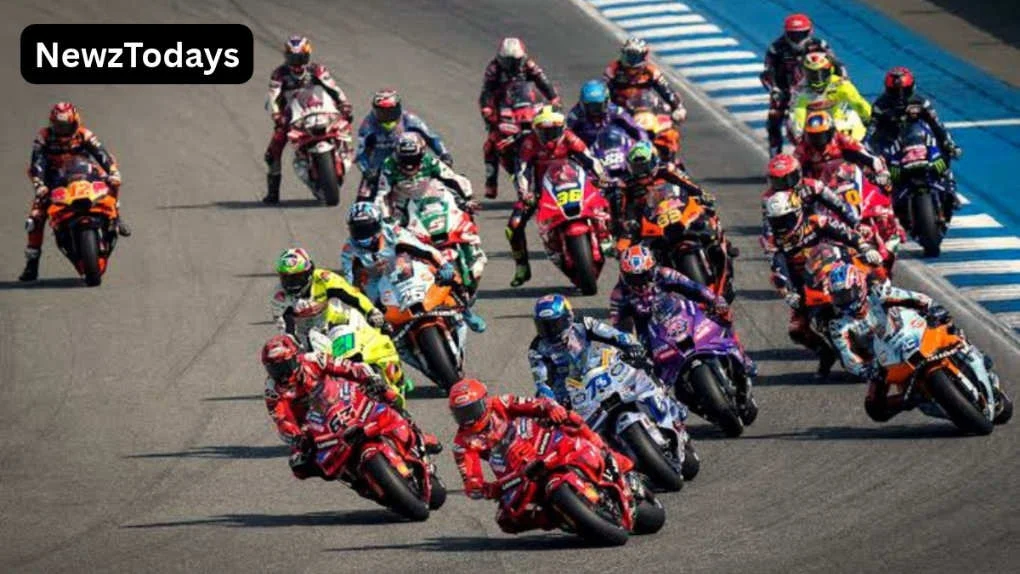
MotoGP is set to undergo a major transformation starting with the 2027 season, as it transitions from the current 1000cc engine bikes to machines powered by 850cc engines. This significant change marks a new regulatory phase aimed at enhancing both safety and competition in the sport.
Key Changes in Engine and Aerodynamics
The move to smaller 850cc engines is designed to lower top speeds and increase fuel efficiency, responding to growing safety concerns. The maximum cylinder bore will also be reduced from 81mm to 75mm, reflecting an effort to keep racing technology aligned with consumer motorcycle development. The new engines will retain the familiar four-stroke, four-cylinder configuration but will require manufacturers to optimize performance with fewer engine allocations, dropping from seven to six per rider annually.
Alongside engine downsizing, the aerodynamics of MotoGP bikes will become more restrictive. The front fairing’s width will decrease by 50mm, and its nose repositioned, while rear aerodynamic components will face stricter homologation standards. These adjustments aim to minimize aerodynamic turbulence when riders follow competitors closely, fostering more overtaking and competitive racing dynamics.
Additional Regulation Adjustments
Starting next year, MotoGP will discontinue the use of ride-height and holeshot devices, which have traditionally aided acceleration and race starts. The ban intends to enhance rider responsibility on starts and throttle control, emphasizing skill over technology. Furthermore, the fuel used in races will shift entirely to sustainable sources, moving from a 40% sustainable fuel blend introduced in 2024 to 100% by 2027. Correspondingly, fuel tank capacity will reduce to 20 liters to complement the efficiency goals associated with smaller engines.
Implications for Pakistani Fans and the Auto Industry
This shift in MotoGP regulations is highly relevant to Pakistani motorsport enthusiasts who closely follow international racing trends. The emphasis on sustainability and rider skill mirrors broader global trends in vehicle technology that Pakistan’s growing automotive sector can learn from. Additionally, these regulatory changes may influence local perceptions of engine performance and fuel efficiency as Pakistan seeks to balance automotive advancement with environmental considerations.
As manufacturers like KTM have already developed 850cc prototypes, the 2027 MotoGP season promises a fresh blend of innovation and tradition, spotlighting engineering ingenuity and rider prowess. Fans in Pakistan can anticipate a new era of thrilling races with closer competition and a renewed focus on racing strategy.
Explaining the rationale behind these changes, MotoGP officials have noted that smaller engines coupled with sustainability measures will not only lower speeds for safety but also increase technical challenges, putting rider skill back at the forefront of the sport.