
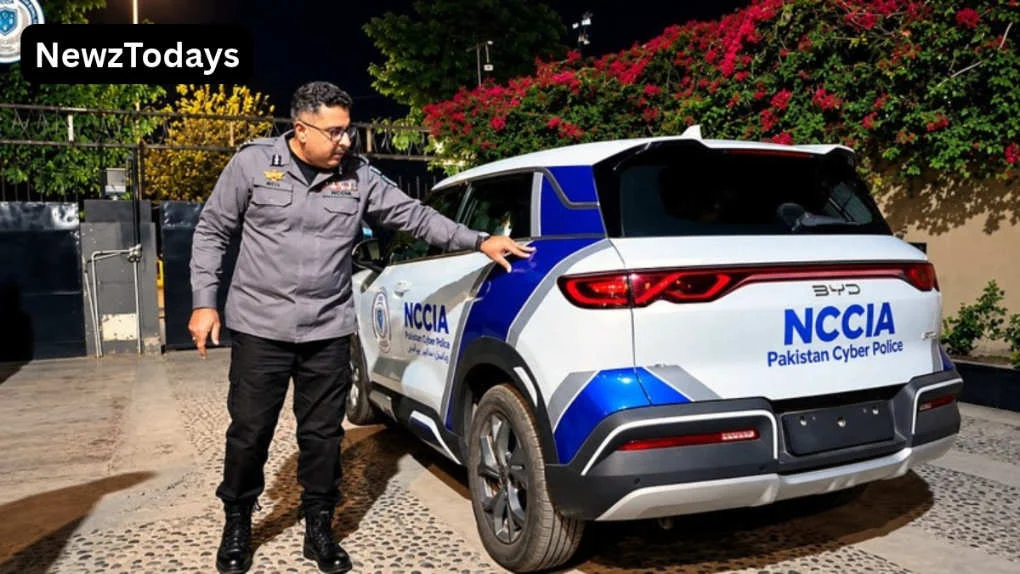
NCCIA Integrates BYD Atto 2 Electric SUVs into Fleet
Islamabad’s National Cyber Crime Investigation Agency (NCCIA) has incorporated the BYD Atto 2 electric SUVs into its official vehicle lineup, marking a step towards adopting electric mobility for governmental operations.
Inspection and Operational Assessment
The NCCIA Director General, Syed Ali Nasir Rizvi, personally reviewed one of the newly supplied electric SUVs to evaluate its build quality, features, and suitability for the agency’s daily functions. The review aims to ensure the vehicles meet the demands of NCCIA’s operational activities.
Details on Procurement and Usage
While the electric SUVs are now part of the NCCIA’s resources, specific details such as the number of vehicles acquired and their cost have not been publicly disclosed. It remains unclear whether these vehicles will be deployed across the country or concentrated in select NCCIA offices initially.
Context of EV Adoption Among Government Fleets
The NCCIA’s move is part of a larger trend among Pakistani government agencies to transition to electric vehicles. Prior to this, the Islamabad Traffic Police and the capital’s police force incorporated BYD Atto 2 units and 50 BYD EVs respectively to support patrol and traffic management duties. This shift is influenced by the predictable route patterns and charging infrastructure available in urban environments, which suit electric vehicle deployment.
Significance for Pakistan’s EV Landscape
This adoption by the NCCIA reflects growing institutional acceptance of electric vehicles in Pakistan. With national interest in promoting green transport rising, integrating EVs into official fleets not only reduces environmental impact but also signals government commitment to cleaner mobility. For Pakistani readers, such developments indicate a gradual but steady move towards modern vehicle technology and a potential availability of EV services and infrastructure in the near future.
“The assessment is to ensure these vehicles can effectively support our day-to-day operational duties,” stated Syed Ali Nasir Rizvi, emphasizing the practical considerations guiding this adoption.


