

OGRA plans quota fuel system with subsidies
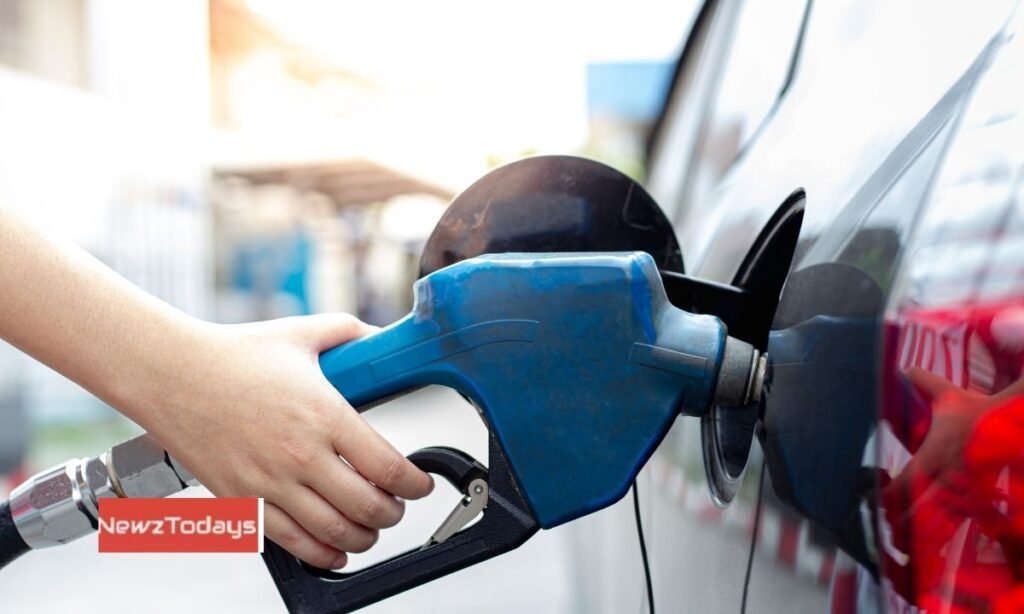
Government moves to launch app-based fuel quota system with subsidies for two- and three-wheelers amid supply concerns.
The Oil and Gas Regulatory Authority on Tuesday reviewed a government plan to introduce a quota-based fuel supply system, supported by subsidies and a digital monitoring framework, as authorities respond to mounting pressure on Pakistan’s fuel supply chain.
The proposal, discussed in a meeting on March 24, involves multiple ministries including IT, finance and petroleum, aiming to deploy an app-based and fully automated mechanism to regulate fuel distribution across retail outlets nationwide. Officials said the system is being fast-tracked due to emerging supply risks and the need to ensure uniform implementation.
Read More: Oil prices seen up Rs30 Per Litre
Under the plan, both consumers and fuel retailers will use dedicated mobile applications. Retail operators will receive a pre-installed app free of cost, while consumers will access a separate application to manage their fuel quotas and generate digital vouchers. The system will link quotas to vehicle registration numbers and CNIC data, enabling controlled distribution based on predefined limits.
The government has proposed vehicle-specific quotas, including an indicative cap of 20 liters for motorcycles. Users will generate digital vouchers through the app, which retailers will scan or input into their system. The platform will automatically validate the quota and restrict fuel dispensing accordingly. For example, if a user requests 20 liters but has only 15 liters remaining, the system will allow only the available quota.
Officials said the model draws from mechanisms used in past subsidy programs, including the Ramadan relief package, where digital verification ensured targeted distribution. The aim is to reduce leakages, prevent hoarding and improve transparency in fuel allocation during periods of constrained supply.
To support implementation, the Ministry of IT is coordinating the provision of hardware for retail outlets. Each fuel station will be required to maintain at least two mobile devices capable of running the system. Initial procurement costs are estimated at Rs36,000 per unit, with market prices around Rs72,000. Retailers will need to deposit funds into a designated government account to secure timely delivery of these devices, with account details to be issued by OGRA.
The introduction of hardware requirements reflects the government’s intent to standardize operations across fuel stations. Authorities believe a unified digital infrastructure will help minimize discrepancies, improve compliance, and enable real-time monitoring of fuel sales.
The plan also includes targeted subsidies for two-wheelers and three-wheelers, segments considered most vulnerable to rising fuel costs. Retailers will be instructed to allocate specific dispensers or nozzles for subsidized fuel distribution to these vehicle categories. However, officials said clarity is still pending on whether subsidies will extend to four-wheelers or be phased out entirely.
Pakistan’s fuel pricing and supply management have remained sensitive policy areas in recent years. According to the Pakistan Bureau of Statistics, petroleum products carry significant weight in inflation calculations, with transport costs directly impacting food and commodity prices. The government has periodically used subsidies and administrative controls to manage public pressure during price spikes.
The current initiative also seeks to address operational challenges faced during past crises. Officials noted that delays in price notifications and supply disruptions in 2020 created significant difficulties for retailers, including licensing and compliance issues. The new system aims to ensure timely pricing updates and reduce uncertainty for market participants.
Oil Marketing Companies have been directed to submit updated details of focal persons for each retail outlet. These details include names, CNIC numbers, and contact information to facilitate coordination during rollout. While OGRA already maintains a database of outlets, authorities said updated contact points are critical for smooth implementation and troubleshooting.
The Ministry of IT will conduct demonstrations and provide video tutorials to train retailers on using the system. A contingency mechanism has also been outlined, allowing for emergency approvals through a designated dispensation process in case of technical or operational disruptions.
Officials described the initiative as part of a broader effort to digitize Pakistan’s energy sector and strengthen oversight. According to State Bank of Pakistan data, digital transactions have grown steadily in recent years, with increasing adoption of app-based services across sectors. Policymakers are now extending similar frameworks to fuel distribution to improve efficiency and accountability.
The urgency behind the plan is linked to evolving regional dynamics affecting energy supply. Government sources indicated that parallel engagements are ongoing with countries such as Iran and Saudi Arabia to manage fuel availability and mitigate risks. Pakistan relies heavily on imported petroleum products, making it vulnerable to external shocks and currency fluctuations.
According to the Energy Ministry’s recent estimates, Pakistan imports over 80% of its petroleum requirements, placing pressure on foreign exchange reserves during periods of high global oil prices. The quota-based system is seen as a temporary administrative tool to manage demand and ensure equitable distribution if supply constraints intensify.
Market analysts say the success of the initiative will depend on execution and public acceptance. Digital systems can improve transparency, but require robust infrastructure, user awareness, and consistent enforcement. Any gaps in implementation could lead to operational bottlenecks or resistance from stakeholders.
The proposed system marks a significant shift in how fuel distribution could be managed in Pakistan, moving from a largely open market model to a controlled and digitized framework. Authorities believe this approach will help stabilize supply chains and protect vulnerable segments of society.
The government is expected to roll out the system in phases, with further details likely to emerge in the coming weeks. As Pakistan navigates energy security challenges, the OGRA-led initiative underscores a growing reliance on technology-driven solutions to manage critical sectors such as fuel distribution.