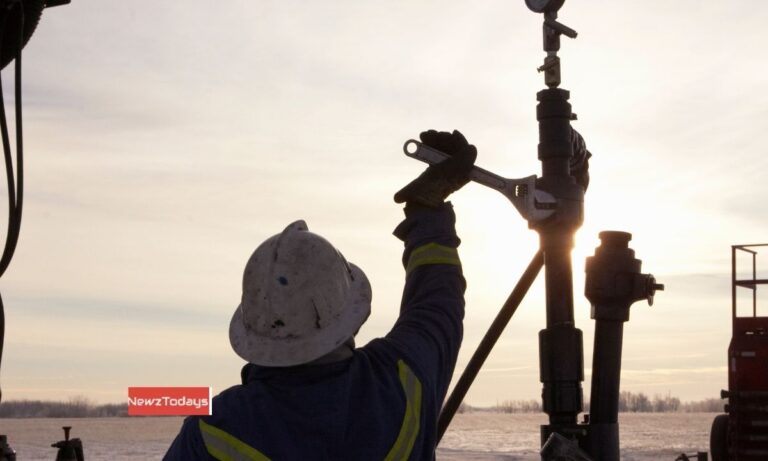
OPEC Projects Sharp Oil Demand Rise in 2027
The Organization of the Petroleum Exporting Countries (OPEC) has forecasted a substantial increase in global oil demand for 2027, anticipating growth of 2.6 million barrels per day (bpd). This surge marks a significant jump compared to the modest 200,000 bpd growth seen in 2026.
Forecast Highlights and Market Implications
According to OPEC’s latest outlook, world oil consumption is expected to rise from approximately 105.7 million bpd in 2026 to 108.3 million bpd by next year. This upward revision highlights renewed activity in oil inventories as governments, refiners, and traders move to replenish supplies reduced during recent geopolitical tensions, including the impacts of the Iran conflict.
OPEC noted that commercial oil stocks within the OECD countries were 177.2 million barrels below the average seen between 2015 and 2019 as of August, with product inventories lagging by 80.4 million barrels. This deficit partly explains the projected jump in demand, as restocking drives consumption alongside traditional fuel uses.
Regional Demand and Supply Trends
Regionally, the organization expects OECD oil demand to rebound by about 500,000 bpd in 2027 after a decline in 2026, while non-OECD countries are projected to contribute an additional 2 million bpd in demand growth. The recovery in gasoline consumption leads the rise, followed closely by jet fuel and diesel. Diesel demand is forecast to increase by roughly 420,000 bpd next year after a prior reduction.
On the supply side, growth outside the OPEC+ alliance is anticipated to be limited, with non-OPEC+ liquids expanding by only 600,000 bpd, supplemented by natural gas liquids and other unconventional sources adding about 100,000 bpd. This places greater reliance on OPEC+ crude production, which is expected to increase by approximately 1.8 million bpd, climbing from 42.1 million bpd in 2026 to 43.9 million bpd in 2027.
Why OPEC’s Oil Demand Forecast Matters to Pakistan
For Pakistan, which depends heavily on oil imports to fuel its growing economy, OPEC’s forecast of a strong rebound in demand signals potential upward pressure on crude prices globally. With energy security and affordability already critical issues for the nation, a rise in oil prices could exacerbate inflation and increase the import bill, impacting economic stability.
Sectors dependent on diesel and gasoline, such as transportation and industry, might face cost hikes, further influencing the broader economy. Additionally, the trend highlights the importance for Pakistan to explore diversified energy sources and strengthen domestic energy production capabilities to mitigate vulnerabilities to global oil market fluctuations.
OPEC’s outlook thus serves as a crucial indicator for policymakers and businesses in Pakistan to prepare for changing dynamics in the international energy landscape.
As OPEC Secretary General stated, “The anticipated demand rise next year underscores the ongoing recovery in oil consumption despite global economic challenges.” This message underlines the persistent need for adaptive strategies amid shifting energy market conditions.