

Pakistan Clears LNG Cargoes Diversion Deal with Qatar
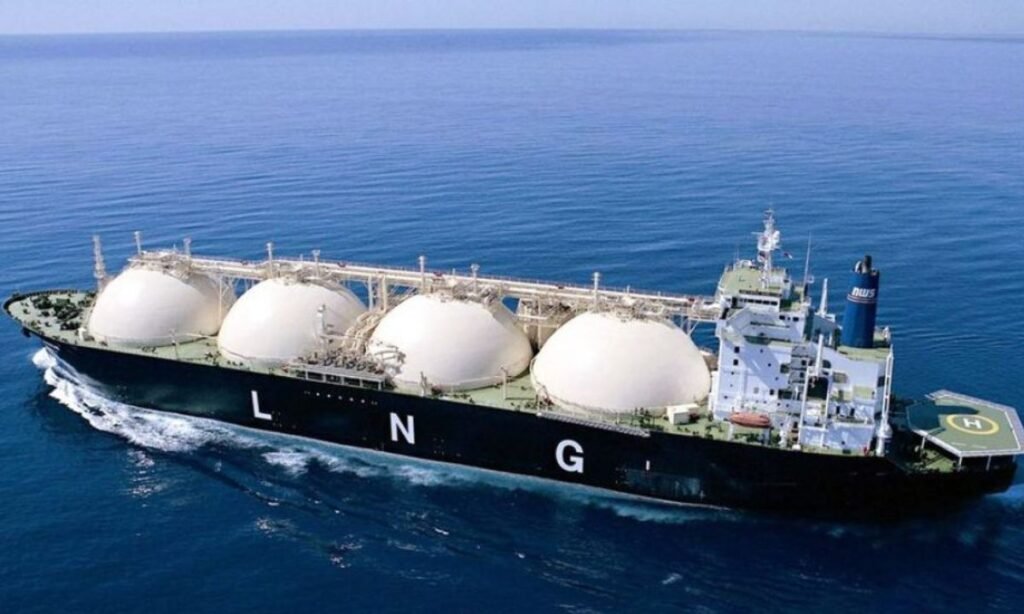
The government authorised Pakistan State Oil (PSO) to close a deal with Qatar Energy by 15 November 2025 to divert 24–29 liquefied natural-gas (LNG) cargoes in 2026 under a net-proceeds-differential (NPD) mechanism.
Islamabad has given the green light for PSO to finalise talks with Qatar Energy to divert between 24 and 29 LNG cargoes in 2026 under a Net Proceeds Differential (NPD) formula, the Economic Coordination Committee (ECC) of the Cabinet approved recently.
Read More: Pakistan Cancels 21 LNG Cargoes Under Eni Deal
The move comes as the Petroleum Division told the ECC that PSO had amassed a surplus of LNG due to a continuing drop in demand from the power and industrial sectors. According to a briefing, gas-distribution company Sui Northern Gas Pipelines Limited (SNGPL) is grappling with large excess volumes, as RLNG offtake has weakened markedly.
Under Pakistan’s long-term LNG supply agreements with Qatar, PSO is locked into “take-or-pay” terms that require payment regardless of consumption. The Petroleum Division estimates some 177 surplus cargoes may accumulate from July 2025 to December 2031 — equal to roughly 24 surplus shipments per year.
The three options tabled for discussion included mutual reduction of cargoes, extension of delivery beyond 2031, or deployment of the NPD mechanism to allow resale and cost absorption.
A delegation visited Doha from 25–27 August 2025 to negotiate. After follow-up, PSO informed the government that Qatar Energy is willing to apply the NPD option for 24 cargoes in 2026, with further engagement to arrive at a “win–win” solution. Earlier reports indicate Pakistan had formally asked for diversion of 29 cargoes, up from the initial 24-cargo proposal.
Under the NPD clause, diverted cargoes may be sold into the open market. Pakistan retains any losses if resale prices are below contract rates, while profits go to Qatar. Media estimates place potential savings at around USD 340 million in foreign exchange, based on cargo value and term price assumptions. At the same time, risks are highlighted of losses reaching up to USD 10 million per cargo if spot prices fall.
The decision reflects a broader challenge for Pakistan, where LNG demand is softening owing to weaker power-sector gas burn, higher RLNG prices and increased adoption of solar and hydropower. Earlier this year the Petroleum Division disclosed that the national RLNG system is facing “demand destruction” and logistical stress due to surplus cargoes.
Moving ahead, the ECC authorised the Petroleum Division and PSO to finalise the 2026 Annual Delivery Plan (ADP) with a cargo range of 24-29 under the NPD option by the deadline of 15 November. The government is also preparing policy guidelines to empower the Oil & Gas Regulatory Authority (OGRA) to pass the financial impact of diverted cargoes onto RLNG and other end-consumers.
Sector analysts say the deal may ease the cost burden on the system and reduce storage and pipeline pressure. However, the cost exposure under NPD and the “take-or-pay” structure remain material risks.