

Pakistan to Hold First Power Auction in November
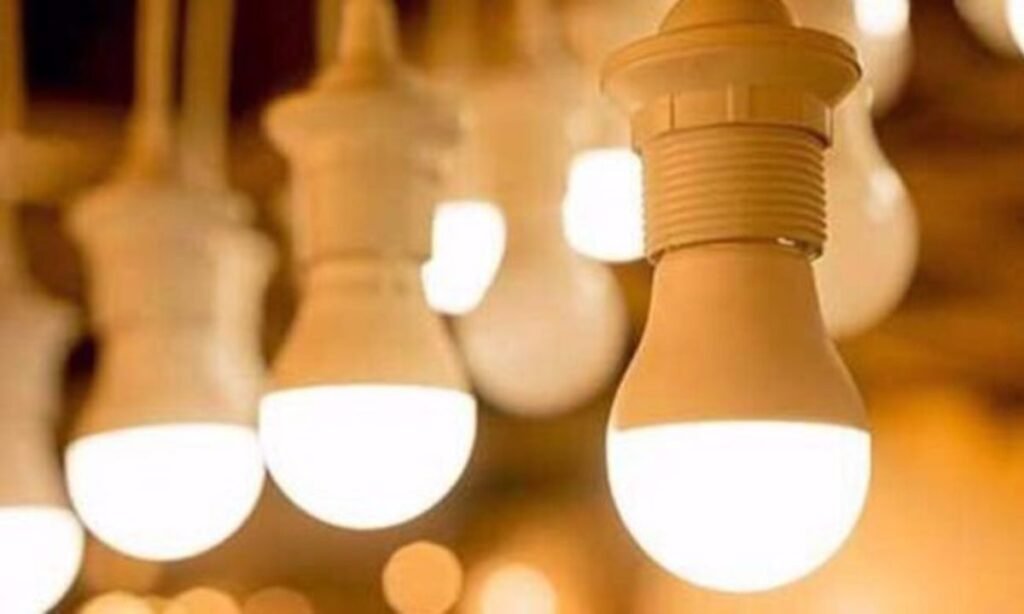
Pakistan is preparing to hold its first-ever electricity auction in November 2025, marking a major transformation in the structure of the country’s power sector.
The auction will operate under CTBCM, introducing a multi-buyer and multi-seller framework designed to ensure transparency and efficiency in electricity trading.
The newly established Independent System and Market Operator will manage the process, ensuring fair competition among electricity producers, distributors, and industrial consumers.
In its initial phase, 800 megawatts of electricity will be traded through the market, while total demand has already surpassed 4,000 megawatts nationwide.
Authorities have limited the pilot phase to prevent additional financial pressure on the regulated system and to evaluate the mechanism’s performance before full implementation.
Nearly 15 private entities, including Engro, Fatima, and Shams, have applied to the National Electric Power Regulatory Authority for licenses to supply electricity.
The successful suppliers are expected to be announced by January 2026, following a competitive evaluation of bids submitted during the upcoming November auction.
Under the existing single-buyer model, industrial consumers currently pay around Rs30 to Rs32 per unit, excluding applicable taxes and transmission charges.
Read More: OMAP Protests Sindh Cess Deduction Without Price Adjustment
However, competition under the CTBCM system is projected to lower electricity prices significantly by opening access to renewable energy suppliers and private investors.
Renewable producers are expected to offer electricity near Rs15 per unit, which includes Rs9 in generation costs and Rs6 in wheeling charges.
NEPRA is finalising wheeling charges between Rs6 and Rs7 per unit, although the maximum permissible ceiling has been maintained at Rs12.55 per unit.
Only renewable and sustainable energy projects such as solar, wind, nuclear, bagasse, and run-of-the-river hydropower will be eligible for participation.
Suppliers using oil, gas, or coal-based technologies will remain ineligible under this model, aligning with Pakistan’s clean energy transition goals and commitments.
Winning bidders will be granted up to three years to establish new generation capacity, while those with existing plants can begin selling electricity immediately.
Officials believe this reform will boost competition, reduce industrial energy costs, and accelerate Pakistan’s shift toward an affordable, sustainable, and self-reliant energy future.