
Pakistan to install smart meters in five Discos
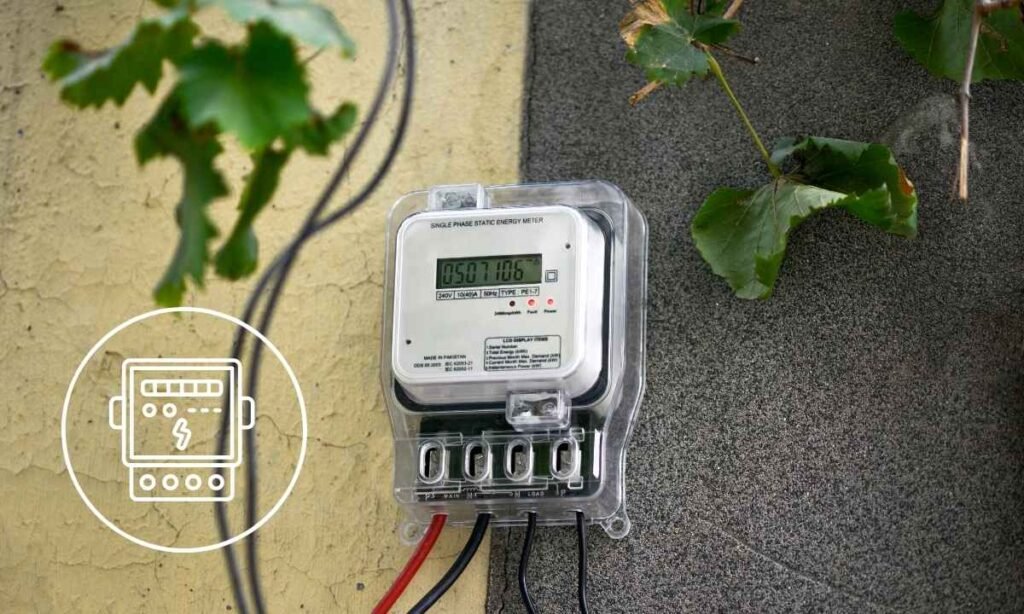
The federal government has decided to install Advanced Metering Infrastructure in five power distribution companies aimed at modernising Pakistan’s electricity system and curb heavy losses.
According to media reports, the government is targeting transmission and distribution losses to eliminate at about $1 billion annually. The project is part of broader power sector reforms to improve efficiency and financial sustainability.
The government has approached the World Bank to act as transaction advisor, as officials believe the Bank’s technical and financial expertise will be critical for successful implementation.
Pakistan’s power sector has continued to face deep operational and financial challenges amid chronic circular debt. High technical and commercial losses, weak recoveries, outdated metering systems, and limited visibility of consumption patterns have been persistent problems.
Transmission and distribution losses currently stand at around 18% of the total electricity supply. These losses amount to around Rs 265 billion annually, which has placed pressure on public finances and consumers.
To address these inefficiencies, the government has tasked PPIB to hire a private Advanced Metering Infrastructure Services Provider to install and operate smart meters in five selected distribution companies.
The government has targeted Discos, which include Lahore Electric Supply Company, Multan Electric Power Company, Peshawar Electric Supply Company, Hazara Electric Supply Company, and Quetta Electric Supply Company. These utilities are serving millions of consumers across key regions.
The PPIB will implement the project under the public-private partnership model. Coordination stakeholders include the Power Planning and Monitoring Company, Power Information Technology Company, and the respective distribution companies.
In a letter to the World Bank’s Islamabad office, PPIB Managing Director Shah Jahan Mirza has said the project marks the first AMI rollout under the PPP framework. He has stressed the need for a qualified transaction advisor to ensure end-to-end execution.
The advisor will conduct technical, commercial, and legal due diligence and develop a comprehensive business case. It will also structure the PPP model and manage the procurement process.
The Public Private Partnership Authority Board has granted approval for engaging an international financial institution as transaction advisor in its 41st meeting held on December 16, 2025.
Read More: Nepra raps Discos over unapproved AMI meter rollout
The engagement will follow provisions of the P3A Regulations, 2023, to allow direct contracting of IFIs as transaction advisers. The maximum engagement period is expected to be 12 months.
The proposed fee structure will be largely success-based, which includes a 5–10% milestone-linked payment and a 9–9.5% success fee, subject to negotiations, payable at financial close.
The scope of work involves diagnostics, data validation, rollout planning, transaction structuring, market sounding, procurement support, and contract finalisation. The government has already shared technical evaluation criteria and terms of reference. The government has asked the World Bank to submit its proposal by January 14, 2026.