Petrol Price Falls Below Rs 370 After Latest Cut
In a recent adjustment impacting the energy sector, the Pakistani government has lowered petrol and high-speed diesel prices effective November 4, 2026. Petrol rates declined by Rs 5.45 per liter, bringing the price down to Rs 369.06, while diesel prices dropped by Rs 3.68 per liter, now selling at Rs 391.52 per liter.
Details of the Latest Fuel Price Reductions
This reduction follows a previous cut applied just a day earlier on November 3. The move is part of ongoing efforts to alleviate fuel costs amid volatile market conditions. The government has maintained a temporary agreement with local refineries to share the petroleum levy burden, with refineries absorbing an estimated Rs 15 billion for the month.
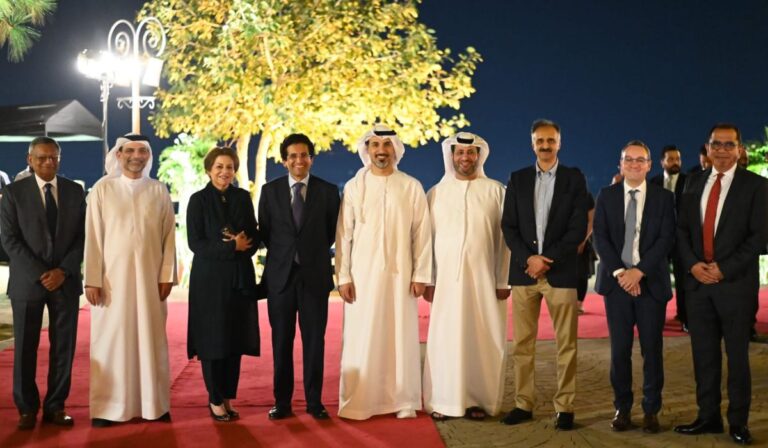
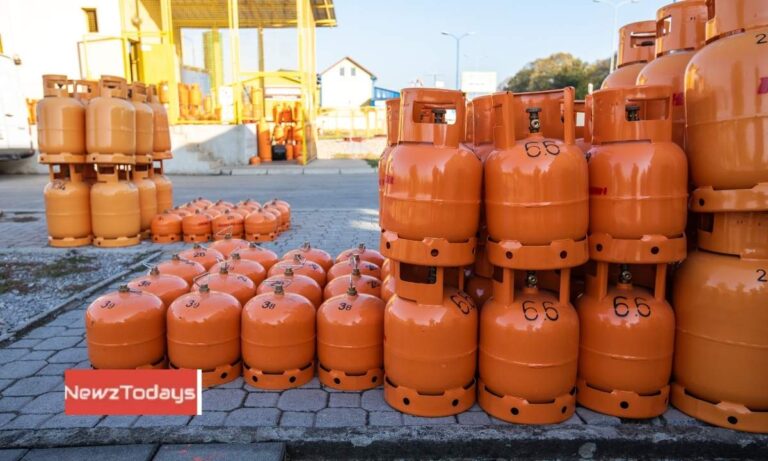
According to Petroleum Minister Ali Pervaiz Malik, this arrangement has enabled consumers to benefit from a Rs 14.71 per liter reduction from what prices might have otherwise been. Meanwhile, the government is looking to implement a similar framework for liquefied petroleum gas (LPG) to further ease fuel expenses.
Taxation and Price Volatility Fuel Challenges
Despite the recent cuts, taxes and duties still make up a significant portion of the petrol and diesel prices. Current tax contributions amount to approximately Rs 114 per liter for petrol and Rs 100 per liter for diesel. Earlier this year, fuel prices saw considerable fluctuations, with diesel reaching a peak of Rs 520.35 and petrol touching Rs 458.41 per liter in early April.
Following the introduction of a daily fuel pricing mechanism in July 2026, the Oil and Gas Regulatory Authority (OGRA) has been authorized to adjust prices aligned with international market trends. This system aims to improve transparency and responsiveness in fuel pricing.
Implications for Pakistani Consumers
Efforts to reduce fuel prices carry significant implications for the broader economy and everyday consumers in Pakistan. Lower petrol and diesel rates can ease transportation and logistics costs, potentially reducing inflationary pressures on goods and services. However, the substantial taxes on fuel remain a concern for affordability and economic equity.
Monitoring further developments in fuel policy, including possible relief measures for LPG, remains essential for stakeholders and the public alike.
Petroleum Minister Ali Pervaiz Malik stated, “The government is committed to ensuring relief to consumers through strategic partnerships and pricing mechanisms.”
Related Stories
- Pentagon Proposes 75-Year Lease to Secure Rare Earth Supply
- Iran War Doubles Egypt’s Gas Import Costs Amid Production Decline
- Brazil’s Data Center Growth Depends on Gas Policies and Grid Access
- Petroleum Sales Dip 1% in October Amid High Prices
- Dubai Oil Benchmark Moves Into Contango Amid Rising Supply