

PM Shehbaz Sharif Austerity Plan Notified
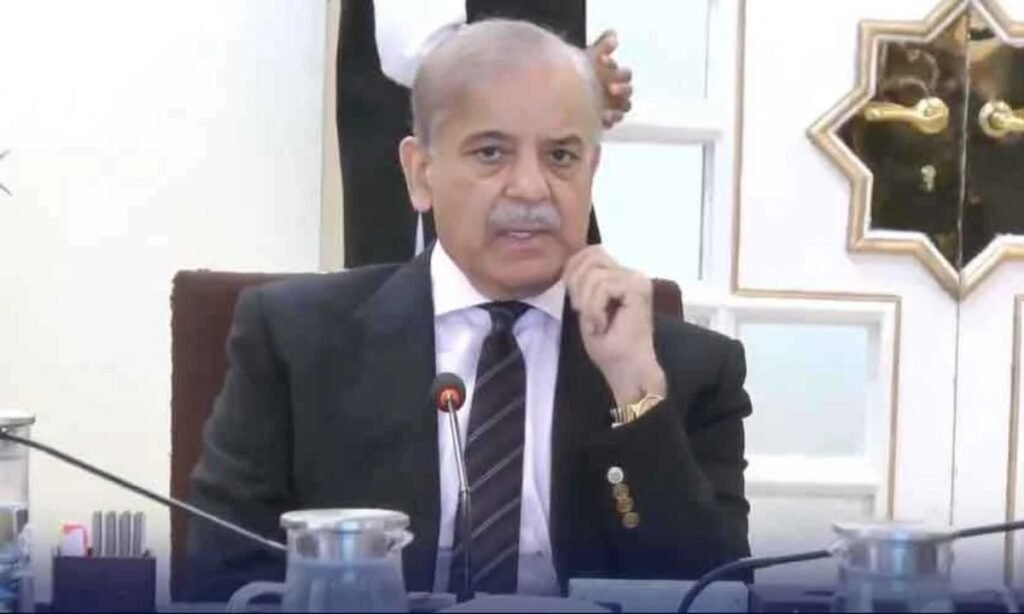
Prime Minister Shehbaz Sharif austerity Plan goes into action as the government has notified a four-day workweek, fuel cuts, and procurement restrictions to reduce official expenditures amid economic constraints.
The government has introduced sweeping austerity measures, including a four-day workweek and reduced operational spending, as authorities seek to curb public sector expenditures amid a challenging economic environment.
The Election Commission of Pakistan issued a notification on Tuesday directing immediate implementation of cost-cutting steps across its secretariat and provincial offices. The decision follows a Cabinet Division notification dated March 9 citing global and regional economic pressures that require tighter fiscal discipline across government institutions.
Under the new policy, ECP offices will operate on a four-day workweek from Monday to Thursday with immediate effect. Staff attendance will be limited to 50 percent on a rotation basis to reduce operational costs. The head of each wing will remain required to attend office daily to ensure administrative continuity. Officials not scheduled for in-office duty must remain available from home and respond to assignments through email or messaging platforms.
The measures also restrict operational travel. Field visits from the ECP Secretariat and regional or district election offices have been suspended unless specifically authorized. The directive aims to reduce travel-related expenditures and administrative costs associated with official visits.
Fuel consumption for official transport will also be significantly curtailed. The notification states that the entitlement for petroleum, oil, and lubricants for all designated vehicles will be reduced by 50 percent. Fuel card limits for official vehicles, including field vehicles, will also be cut by half.
General duty vehicles will now require approval from the ECP secretary before deployment, particularly for assignments requiring sensitivity or security clearance. Officials have also been instructed to prioritize buses or shared transport where possible following a reassessment of staff attendance levels.
Additional restrictions target misuse of official transport. Allocation of vehicles for private purposes on a payment basis has been stopped with immediate effect. Protocol vehicles will no longer be used, while only one security vehicle will be allowed for sensitive assignments.
To enforce accountability, the ECP has ordered maintenance of a daily register documenting the purpose and movement of all official vehicles leaving the secretariat. Departments must also submit a fortnightly report detailing actual petroleum usage and the progress of fuel reduction targets.
Energy conservation is another central component of the austerity plan. The commission has directed that air conditioner usage be reduced by half and that AC units may only be switched on after 11:00 a.m. Lighting in corridors and lobbies must be reduced to roughly 30 percent capacity. The use of generators in offices has also been prohibited.
Procurement restrictions form the final pillar of the spending cuts. The notification places a complete ban on purchasing new durable equipment until June 2026. Any information technology procurement will require scrutiny by the National Information Technology Board and approval from a designated austerity committee.
The order states that the measures were approved by Chief Election Commissioner Sikandar Sultan Raja and must be implemented immediately by all administrative units. The directive was issued by Director General HR and Administration Muhammad Khalid Siddiq.
Pakistan’s government has increasingly emphasized expenditure control as the country navigates fiscal pressures linked to inflation, external debt obligations, and energy import costs. According to the State Bank of Pakistan’s latest policy statement, the government continues to pursue fiscal consolidation measures to stabilize public finances and reduce budget deficits.Petroleum division opposes divestment of Mari’s shares
Public sector austerity campaigns have periodically been used by Pakistani administrations to reduce administrative spending during economic slowdowns. Similar directives were introduced during earlier fiscal tightening periods to limit fuel consumption, official travel, and procurement spending across ministries.