Saudi Arabia Mandates Meningococcal Vaccine for Hajj Workers
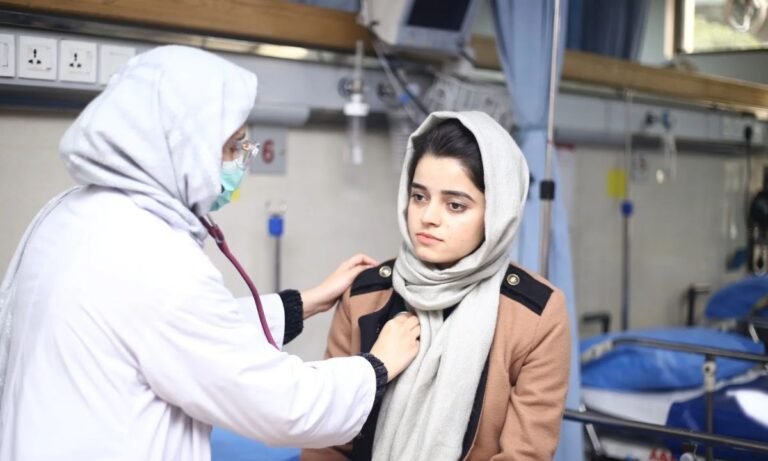
Saudi Arabia has introduced a new health mandate requiring all personnel involved in the 2026 Hajj season to receive the meningococcal vaccine before commencing their duties. This step is part of a broader initiative to prevent the spread of infectious diseases during the annual pilgrimage.
Abdulaziz Abdulbaqi, spokesperson for the Saudi Ministry of Health, announced the vaccine requirement following directives from the Supreme Hajj Committee, which aims to enhance health preparedness in the densely populated areas visited during Hajj. The meningococcal vaccine is designed to protect against serious infections that can rapidly spread in crowded conditions, thus safeguarding both workers and pilgrims.
The vaccine’s validity extends for five years, and personnel vaccinated within this timeframe will not need a booster dose under the current regulations. The Ministry has made the meningococcal vaccination a mandatory condition for obtaining a Hajj work permit, with officials recommending that workers get vaccinated at least 10 days before starting their duties to ensure the vaccine’s maximum effectiveness.
In addition to the meningococcal vaccine, the Ministry of Health advises all personnel to complete other essential vaccinations, particularly the seasonal influenza vaccine and the updated COVID-19 booster dose introduced in 2025. This updated booster addresses newer variants of the virus and is strongly encouraged ahead of the pilgrimage season.
To facilitate vaccine uptake, the Ministry has coordinated with healthcare providers across various sectors, including security, military, and academic institutions, to deliver vaccinations at workplaces. Workers can also schedule their vaccination appointments through the Sehhaty app by utilizing the Adult Vaccination Clinic service.
Health authorities in Saudi Arabia typically begin preparations for Hajj months in advance to manage the influx of millions of pilgrims from around the world. Preventive vaccination campaigns are a crucial component of the government’s strategy to control crowd-related health risks and minimize the outbreak of infectious diseases during one of the world’s largest annual religious gatherings.