

SECP registers 2,993 firms in March 2026
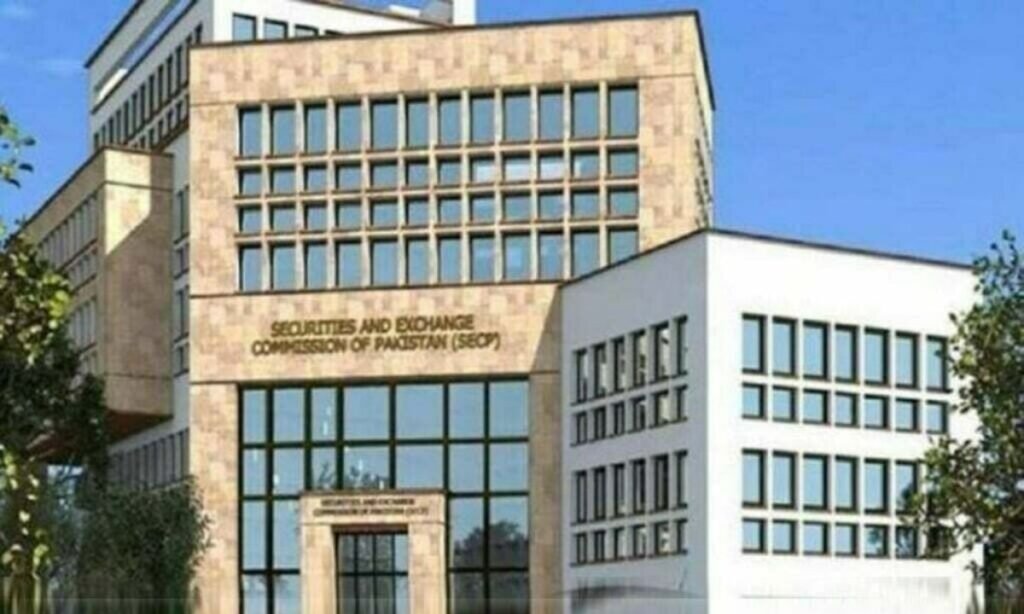
Pakistan company registrations rise 11% YoY as digital filings and IT sector growth drive corporate expansion
The Securities and Exchange Commission of Pakistan (SECP) registered 2,993 new companies in March 2026, reflecting an 11% year-on-year increase and signaling sustained momentum in corporate activity.
The latest additions pushed the total number of registered companies in Pakistan to 290,041, underscoring growing formalization of businesses amid improving regulatory processes and digital facilitation. Nearly all new incorporations, around 99.9%, were completed online through SECP’s eZfile system, highlighting the regulator’s continued shift toward end-to-end digital operations.
Read More: SECP continues crackdown on illegal loan apps
The newly registered firms brought in a combined paid-up capital of Rs2.80 billion, indicating steady investor participation across a range of sectors. Private limited companies remained the dominant structure, accounting for 57% of total registrations, while single-member companies made up 39%. The remaining 4% included public unlisted companies, not-for-profit organizations, and limited liability partnerships.
Analysts said the rising share of private and single-member companies reflects the preference for flexible business structures with lower compliance burdens. This trend has accelerated over the past five years as SECP simplified incorporation procedures and reduced documentation requirements.
Punjab led regional registrations with 1,488 new companies, maintaining its position as Pakistan’s largest business hub. Islamabad Capital Territory followed with 552 companies, while Sindh recorded 447 new incorporations. Smaller regions also showed notable activity, with Gilgit-Baltistan registering 233 companies and Khyber Pakhtunkhwa 224, while Balochistan added 49 firms.
Sector-wise data showed strong concentration in technology-driven industries. The information technology and e-commerce segment led with 606 new companies, reinforcing Pakistan’s growing digital economy. Trading followed with 542 new firms, while the services sector contributed 366 companies and real estate development and construction added 264.
Other sectors also showed steady participation. Tourism and transport accounted for 153 new companies, food and beverages for 149, and education for 112. Traditional industries such as textile registered 65 companies, while mining and quarrying added 60. Corporate agricultural farming and marketing and advertisement each recorded 58 new firms, reflecting diversification across both industrial and services segments.
Healthcare, engineering, and consumer-focused industries also contributed to growth. Healthcare saw 49 new companies, engineering 51, cosmetics and toiletries 47, and fuel and energy 43. Pharmaceuticals registered 41 companies, while chemicals added 38 and communications 32. The auto and allied sector remained relatively smaller with 25 new companies. Another 234 companies were incorporated across a mix of smaller sectors including electrical goods, sports, and paper products.
Foreign investment remained present though modest in scale. A total of 58 new companies received overseas investment during the month. China led foreign participation with 28 companies, followed by Afghanistan with seven and the United Kingdom with four. Investors from Russia, Germany, Norway, and the British Virgin Islands also participated, alongside single-company investments from countries including the United States, Saudi Arabia, Japan, and Canada.
Pakistan’s corporate registration trend has shown gradual improvement over recent years, supported by regulatory reforms and digital transformation initiatives. SECP introduced its eZfile platform to streamline incorporation, reduce processing times, and minimize physical interaction. According to SECP annual reports, online incorporation has reduced company registration time to less than 24 hours in many cases, compared to several days previously.
The growth in IT and e-commerce registrations aligns with broader digital expansion in Pakistan. Data from the Pakistan Telecommunication Authority shows internet penetration exceeding 50% in recent years, while the State Bank of Pakistan has reported rising volumes in digital payments and e-commerce transactions. These structural shifts have encouraged startups and small enterprises to formalize operations through company registration.
Government policy support has also played a role. Recent initiatives aimed at improving ease of doing business, including simplified tax registration and integration with the Federal Board of Revenue systems, have reduced entry barriers for new firms. Pakistan’s ranking in global ease-of-doing-business indicators improved in recent cycles before the suspension of the World Bank’s index, reflecting progress in regulatory efficiency.
Despite the positive trend, overall corporate density in Pakistan remains low compared to regional peers. Industry observers note that continued reforms in taxation, contract enforcement, and access to finance will be essential to sustain growth in company formation.
The steady rise in registrations during March suggests continued investor interest, particularly in technology-led sectors and urban business centers. Market participants expect the trend to remain stable in the coming months, supported by digital adoption and policy continuity.
SECP registrations are likely to remain a key indicator of formal sector growth, with March’s increase reinforcing momentum in Pakistan’s evolving corporate landscape.