

Sindh Sets 50% Carbon Reduction Goal Under NDC Plan
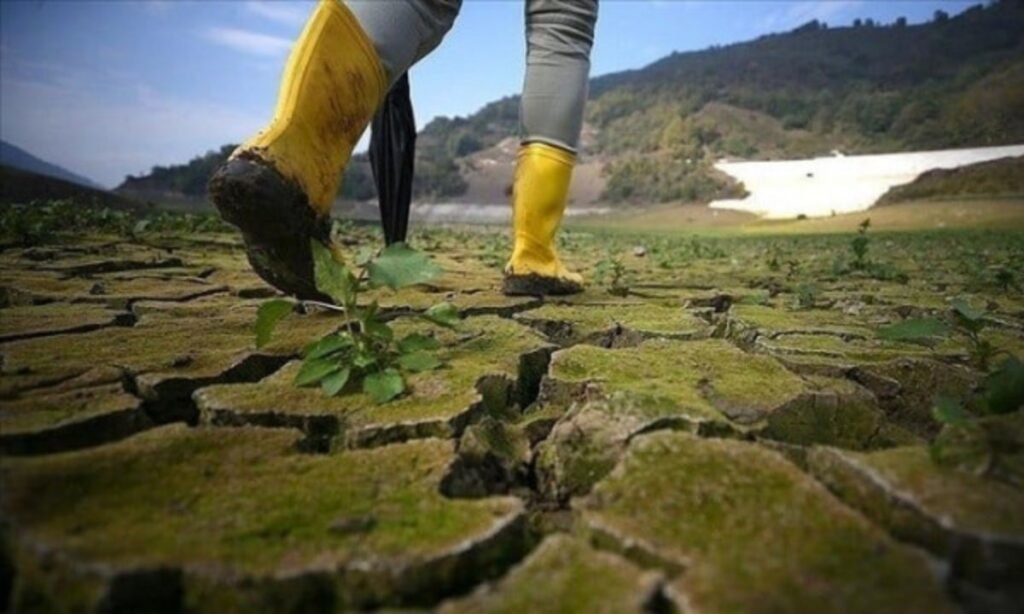
Sindh has approved the Nationally Determined Contribution 3.0 policy, advancing its efforts to combat climate change and reduce greenhouse gas emissions across multiple sectors.
The plan represents a significant milestone in aligning provincial strategies with international environmental objectives and promoting sustainable economic growth.
Adviser to the Chief Minister on Environment Dost Rahimoon stated that Sindh has formally established its climate targets under the Paris Climate Agreement framework.
The province seeks to reduce greenhouse gas emissions by 50 percent by 2030, with 15 percent funded locally and 35 percent through international collaboration.
Environment Secretary Zubair Channa detailed Sindh commitment to addressing climate risks through integrated policy reforms across several key sectors.
These include energy, transport, agriculture, forestry, water management, waste control, and urban planning, ensuring a comprehensive approach to environmental sustainability.
Under the NDC 3.0 plan, major projects include expanding the Bus Rapid Transit network and gradually replacing diesel-based public transport with electric vehicles.
Read More: PMD Modernises Weather Network Under WB Project
The policy also prioritizes afforestation programs and restoration of mangrove forests along Sindh coastline to enhance carbon absorption and coastal protection.
The government intends to upgrade waste management systems by introducing large-scale recycling, composting, and plastic reuse initiatives throughout the province.
Waste-to-energy plants will be established to minimize landfill dependency and support clean energy generation for local communities.
Water conservation remains a vital part of the strategy, focusing on wastewater treatment and groundwater recharge projects to sustain long-term water resources.
Sindh approval of the NDC 3.0 policy reinforces its determination to promote green growth and foster effective international climate partnerships.
The province aspires to set a strong example by adopting modern, inclusive, and resilient environmental practices for a sustainable and secure future.