
Solar Net Metering is Almost Dead in Pakistan
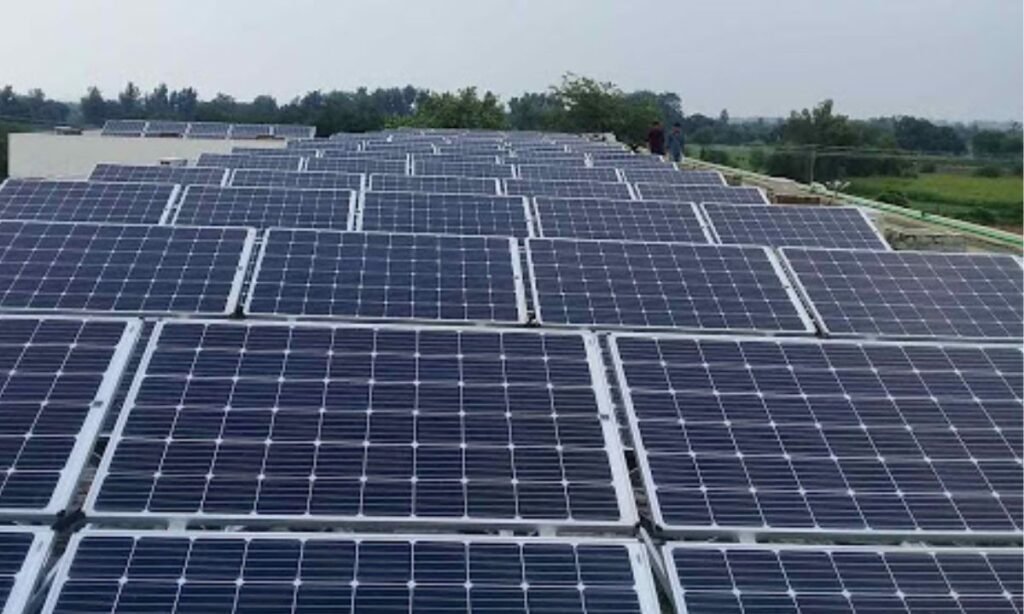
National Electric Power Regulatory Authority (NEPRA) has ended the exchange of electricity units under solar net metering, replacing it with net billing, a major shift for renewable energy consumers.
The new Prosumer Regulations, 2026, limit buyback rates, reducing the existing Rs 25.9 per unit for exported solar electricity potentially to Rs 11 per unit under the updated net billing system.
The contract period for prosumer agreements has been shortened from seven years to five years, with renewals possible in five-year blocks, requiring fresh NEPRA concurrence if any system modifications are implemented.
The power division had made two attempts to get approval of prime minister and cabinet.But it had faced a political backlash and a burden had been shifted to the national electric power regulatory authority (Nepra) to avoid public wrath.
The consumers have been paying over Rs 2 trillion capacity payments to idle power plants which have not been operating. Now, this burden had been shifted now to the solar consumers to continue paying hefty amount to idle plants.
The country’s agriculture sector had also most shifted to the offgrid solar and the recent changes in solar net metering regime will push more consumers to offgrid by using lithium batteries. According to industry official, the country will be forced to pay almost one billion dollars every year on import of solar net metering.
The world was encouraging renewables but the present government had forced the solar consumers to shift to the grid system to pay the bill of those power plants which were not operating but they had been receiving trillion of dollar every year.
Prosumer definitions now cover consumers with solar, wind, or biogas generation from 1 kW up to 1 MW, connected at either 400V three-phase or 11 kV, who can consume and sell electricity.
Under net billing, exported electricity is now valued at the National Average Energy Purchase Price, while imported electricity is charged at the consumer tariff, resulting in exported units being worth significantly less.
The billing cycle calculates net amounts by multiplying imported electricity by consumer tariff and exported electricity by national average energy purchase price, with balances credited to the next bill or paid quarterly.
Capacity and technical limits restrict distributed generation to sanctioned load, require load flow studies for systems above 250 kW, and prohibit new connections if transformer capacity reaches 80 percent of its rating.
Read More: Senate Panel Flags Delay in Laws After LPG Blast Deaths
The NEPRA application and connection process includes acknowledgement in five days, technical review in fifteen days, agreement signing in seven days, payment notice in seven days, installation in fifteen days, and concurrence in seven days.
Prosumer costs include interconnection and metering fees, while a one-time, non-refundable NEPRA concurrence fee of Rs 1,000 per kW applies, with bi-directional smart meters or dual meters required for accurate readings.
Protection and compliance standards require inverters to meet UL-1741, visible-break isolation switches, ±5 percent voltage tolerance, ±1 percent frequency tolerance, and allow DISCOs to disconnect for faults, non-compliance, or maintenance with prior notice.
Existing net-metering users will remain on their current agreements until expiry, with billing continuing at the national average power purchase price, after which they must transition to the 2026 net-billing system upon renewal.
Strategically, residential users gain more value from self-consumption, while commercial and industrial rooftops still offset daytime loads, but export-heavy models lose attractiveness and payback periods for solar systems materially increase.
The new regulations encourage proper system sizing, storage, and self-consumption, end cross-subsidised net metering, and align rooftop renewable generation with actual electricity system costs, without discouraging solar adoption altogether.