

Pakistan vs India: Why Petrol Prices in Pakistan Are So High
Can petrol in Pakistan really reach Rs500 per litre? The ongoing Strait of Hormuz crisis, rising tensions between Iran and the United States, and volatility in global oil markets have triggered serious concerns for Pakistani consumers.
In just a few months, petrol prices have surged from around Rs250 to nearly Rs400 per litre.
Will prices rise further, or could they fall if tensions ease? In this video, we break down how global conflict, disrupted supply routes, Pakistan’s limited reserves, India’s stronger strategy, and government policies are directly impacting your wallet. Watch till the end for a key forecast on where fuel prices may head in the coming weeks and months.
Prime Minister Shehbaz Sharif revealed on Wednesday that Pakistan’s weekly oil import bill has jumped by about 167%, rising from $300 million to nearly $800 million due to ongoing regional tensions. This sharp increase is putting heavy pressure on the economy, foreign exchange reserves, and domestic fuel prices.
Read More: Govt Freezes Oil Prices For Another Week
Before the escalation in the Iran-US conflict, petrol prices in Pakistan ranged between Rs253 and Rs266 per litre, while diesel was between Rs246 and Rs257 per litre. These figures are based on price snapshots from February 2026. At that time, global crude oil prices were close to $70 per barrel.
However, as geopolitical tensions intensified, global oil prices surged rapidly. Reports indicate crude prices climbed above $94 per barrel, with fears they could cross $100 per barrel under extreme scenarios.
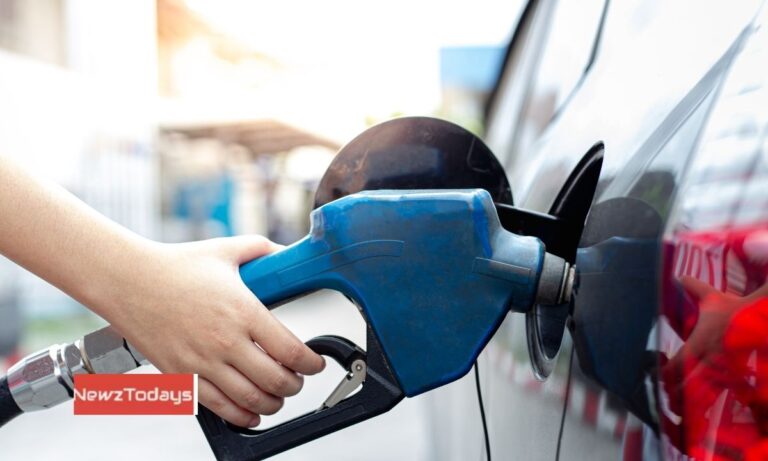
By early May 2026, petrol prices in Pakistan reached Rs399.86 per litre, while diesel stood at Rs399.58 per litre. These increases directly reflect rising global oil costs.
So, why did prices increase so sharply?
The biggest factor is the risk surrounding the Strait of Hormuz. This is one of the world’s most critical oil supply routes, through which nearly 20% of global oil passes. Any disruption or threat in this region immediately shakes global markets.
The second factor is potential disruption in production and exports. War risks can impact oil-producing countries, tanker movement, and delivery timelines, tightening global supply.
The third factor is market fear and risk premium. Even if supply is not fully disrupted, traders often price in future risks, driving oil prices higher.
Fuel prices in the United States have also faced pressure due to rising crude costs, higher refinery expenses, seasonal demand, and global supply uncertainty.
Why was Pakistan hit harder?
Pakistan is heavily dependent on imported fuel. When global oil prices rise, the country’s import bill increases significantly. This also raises transport costs, electricity generation costs, food distribution expenses, and overall inflation.
Estimates suggest that every $10 per barrel increase in global oil prices can push inflation in Pakistan up by about 50 basis points. This helps explain why inflation reportedly reached around 10.9% in April 2026, largely driven by rising fuel costs.
What lies ahead for petrol prices in Pakistan?
If global crude prices remain high, further pressure on local fuel prices is likely. Domestic prices depend on international oil rates, the rupee-dollar exchange rate, freight costs, taxes, and petroleum levy.
In the coming days, if global prices stay firm, a small to moderate increase is possible. Over the next few weeks, if risks around the Strait of Hormuz persist, a sharper rise cannot be ruled out. Over the next few months, prices may stabilize only if geopolitical tensions ease, crude prices fall, and shipping routes normalize.
If the war ends, will prices fall?
Yes, but not immediately. First, global crude prices must decline. Then freight and shipping costs need to normalize. Only after that will Pakistan’s import-based pricing mechanism reflect the changes in subsequent pricing cycles. So, relief will be gradual, not instant.
Pakistan vs India: What’s the difference?
Both countries faced the global oil shock, but India managed it better.
India has larger strategic petroleum reserves, with an operational capacity of around 5.33 million metric tonnes. These reserves, along with commercial inventories, provide roughly 9.5 to 10 days of import cover.
Pakistan’s reserves are more limited. Various reports suggest 5 to 7 days of crude reserves, while a Senate briefing mentioned 11 days of crude, 21 days of diesel, and 27 days of petrol.
India also diversified its supply by purchasing discounted oil from Russia. It has greater flexibility in taxation and pricing policies. Pakistan, on the other hand, remains more dependent on Gulf supply routes with fewer immediate alternatives.
In simple terms, India had a buffer. Pakistan had a much shorter runway.
What is Pakistan doing?
Pakistan has explored alternative supply routes to reduce disruption risks. Options include sourcing oil via Saudi Arabia’s Yanbu port and UAE shipments through the Red Sea. There are also reports of supply support from Saudi Arabia and ADNOC.
However, these measures are not a complete solution. Pakistan still pays global market prices and continues to face storage limitations.
What should Pakistan do?
To avoid future shocks, Pakistan needs to expand its strategic petroleum reserves. A buffer of only a few days is not sufficient during crises.
The country must diversify supply sources to reduce dependence on a single region. Long-term government-to-government oil agreements should be strengthened to reduce exposure to volatile spot markets.
Investment in renewable and alternative energy is also essential to cut reliance on imported fuel. At the same time, fuel pricing policies need to become more predictable to avoid sudden shocks to consumers and the economy.
Conclusion
The Strait of Hormuz crisis and Iran-US tensions have injected fear and risk into global oil markets. Crude prices have surged, freight costs have increased, and fuel prices in Pakistan have climbed sharply.
Pakistan has been hit harder due to its heavy reliance on imports, limited reserves, fewer alternative suppliers, and weak fiscal space.
If global oil prices remain elevated, petrol could become even more expensive. If tensions ease and crude prices fall, relief will eventually come—but it will be gradual, not immediate.