Oil Prices Spike to $114 After Iranian Attacks on UAE Port
Oil prices surged significantly, with Brent crude nearing $114 per barrel, following missile strikes by Iran on a port in the United Arab Emirates. The attacks have escalated tensions in the region, sparking concerns about potential disruptions to global oil supplies.
The incident involved coordinated Iranian missile and drone attacks targeting a key UAE port. This development has unsettled oil markets and investors who fear the implications for the geopolitical stability of the Persian Gulf, a critical corridor for global energy transportation.
Read More: Oil prices jump as Iran conflict disrupts flows
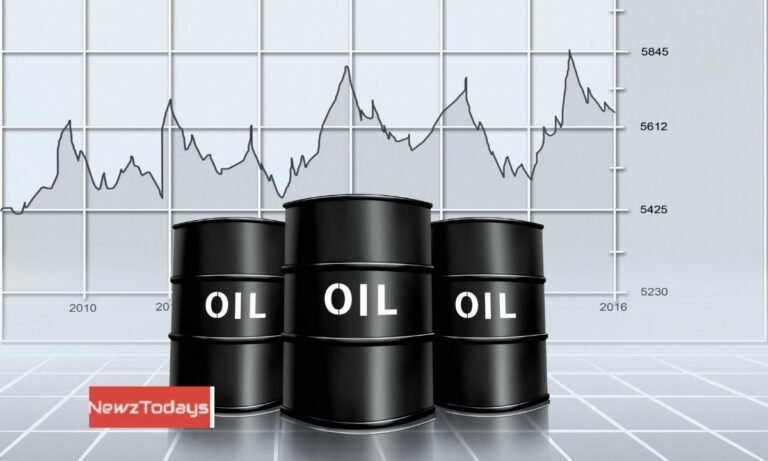
Following the attacks, Brent crude oil futures climbed by more than 5%, reaching around $113.60 a barrel. West Texas Intermediate (WTI) crude futures also jumped approximately 3%, trading above $105 per barrel. The Murban crude, a benchmark for the Gulf region oil, also saw an increase, reflecting the heightened concerns among market participants.
The rise in oil prices reflects the market’s sensitivity to supply risks from the Middle East, where geopolitical tensions often trigger volatility. The UAE port targeted in the strike is a vital hub for oil exports in the Gulf, and any disruption there could affect the availability of crude oil on the world market.
While the immediate physical damage to the port remains under assessment, the broader risk to shipping routes and export capabilities has contributed to the surge in energy prices. Analysts warn that prolonged conflict or further escalation in the region could push prices even higher, affecting global energy demand and economic recovery efforts.
Energy markets worldwide are already navigating the complexities of post-pandemic demand recovery and supply chain challenges. The recent attack exacerbates these concerns, emphasizing the vulnerability of oil supplies to geopolitical instability in key producing regions.
In response to the rising prices, several governments and industry stakeholders are closely monitoring the situation. While no immediate changes to production or export policies have been announced, the coming days could see strategic decisions aimed at stabilizing the market and ensuring energy security.
This latest development comes amid ongoing tensions involving Iran and neighboring Gulf countries. The international community continues to call for diplomatic solutions to reduce the risk of conflict flare-ups that can disrupt global energy supplies and economic stability.