

Pakistan’s Electric Bike Scheme Faces Setback Amid Loan Rejections
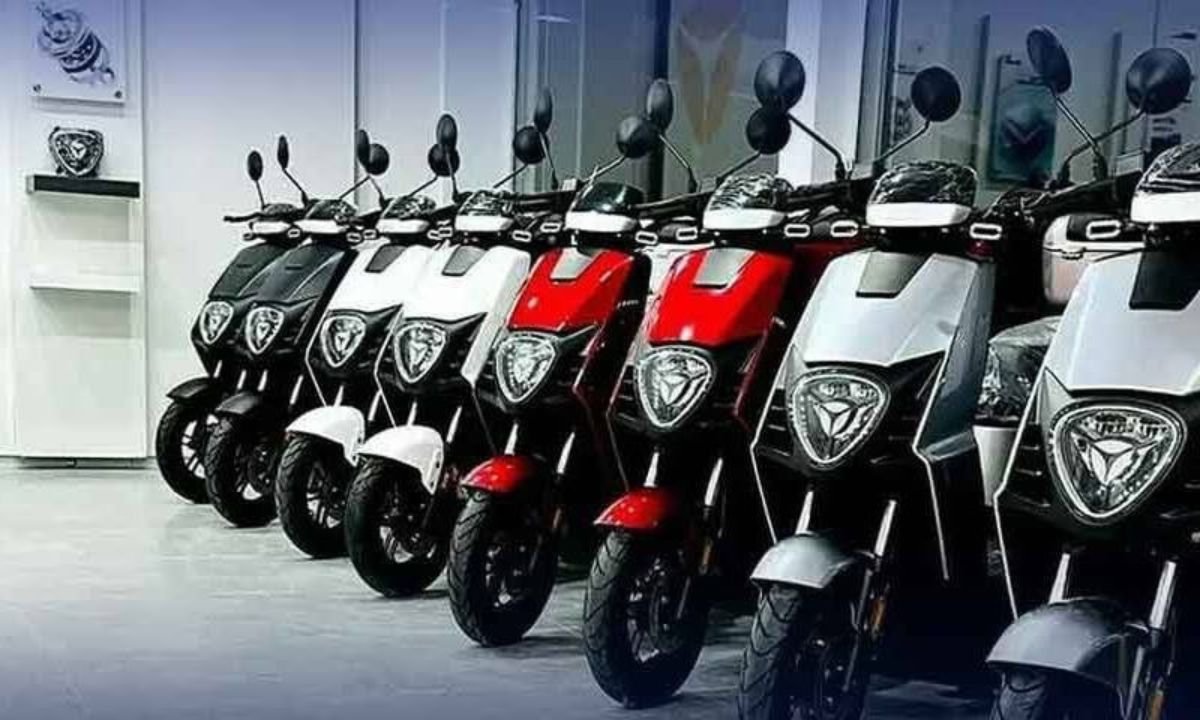
The Pakistani government’s Pakistan Accelerated Vehicle Electrification (PAVE) programme, aimed at promoting electric bikes and rickshaws, is encountering significant challenges as commercial banks reject over 90 percent of loan applications under the scheme.
Out of 44,689 loan applications submitted by eligible citizens, only 4,075 were approved, reflecting a mere 9 percent approval rate by banks. This low level of loan sanctioning has put the flagship electric bike initiative on the brink of collapse, officials revealed during the recent Economic Coordination Committee (ECC) meeting.
Since the programme’s inception, only 5,409 electric bikes and rickshaws have been distributed, representing just 4.5 percent of the targeted 119,170 units planned to be delivered by the end of the current financial year on 30 June. The scheme is primarily funded through a climate levy of Rs2.5 per litre applied to petrol and diesel sales nationwide. The Finance Division allocated Rs9 billion for the scheme this year; however, the actual payments approved by banks amounted to just Rs143 million.
The loan structure offered applicants two options: financing through banks with government-backed equity and interest subsidies, or a direct subsidy after purchase without bank involvement. While banks processed only 22 percent of applications received from the programme’s administration and subsequently approved fewer than half of those, the direct subsidy path enjoyed a near-perfect success rate, with 99.6 percent of applications approved.
The poor bank performance has been linked to issues in engaging third-party verification firms, causing delays and reduced public faith in the programme’s execution.
In response to the existing setbacks, the government approved several modifications to sustain and enhance the programme’s effectiveness in its second phase. The reforms include prioritizing the self-financing route, which removes reliance on banks, allowing buyers to pay a nominal upfront fee to manufacturers and receive the subsidy directly after vehicle delivery and registration. A special provision has been introduced for federal government employees in Basic Scale 16 and below to participate under these revised terms.
Additionally, fleet operators will now be eligible to participate to help accelerate adoption rates, pending criteria set by the programme’s steering committee. Approximately 600 electric bikes will also be distributed as grants to top-ranking students across 26 Boards of Intermediate and Secondary Education.
Further aiming to boost electric vehicle adoption, the ECC approved a fast-track component targeting the distribution of 100,000 additional electric bikes within three months. These bikes will be sourced from 130,000 Complete Knock Down (CKD) kits already available domestically or en route, and will supplement the existing annual target, raising the total to 216,000 units. Manufacturers will receive Rs80,000 per bike as a subsidy against verified deliveries.
This fast-track initiative is expected to yield significant fuel savings, projected at 8.6 million litres of petrol within the first three months alone, equating to about eight million US dollars. Over the next five years, the programme aims to save approximately 222 million US dollars in fuel expenses, contributing to Pakistan’s broader energy security efforts.
These developments come amid rising concerns over energy sustainability and the government’s commitments under the International Monetary Fund’s fiscal reforms, which include increasing the climate levy on fuel from July onwards.
The government is optimistic that these policy changes and expanded targets will reinvigorate the electric bike scheme and help it achieve its environmental and economic objectives.