Oil Crunch Triggers Plastics Shortage in Asia
Asia is currently facing a significant plastics supply crisis induced by a recent oil crunch, which has disrupted the production and distribution of raw materials essential for the plastics industry. The shortage is impacting various sectors dependent on plastic materials, amplifying concerns over manufacturing slowdowns and price increases.
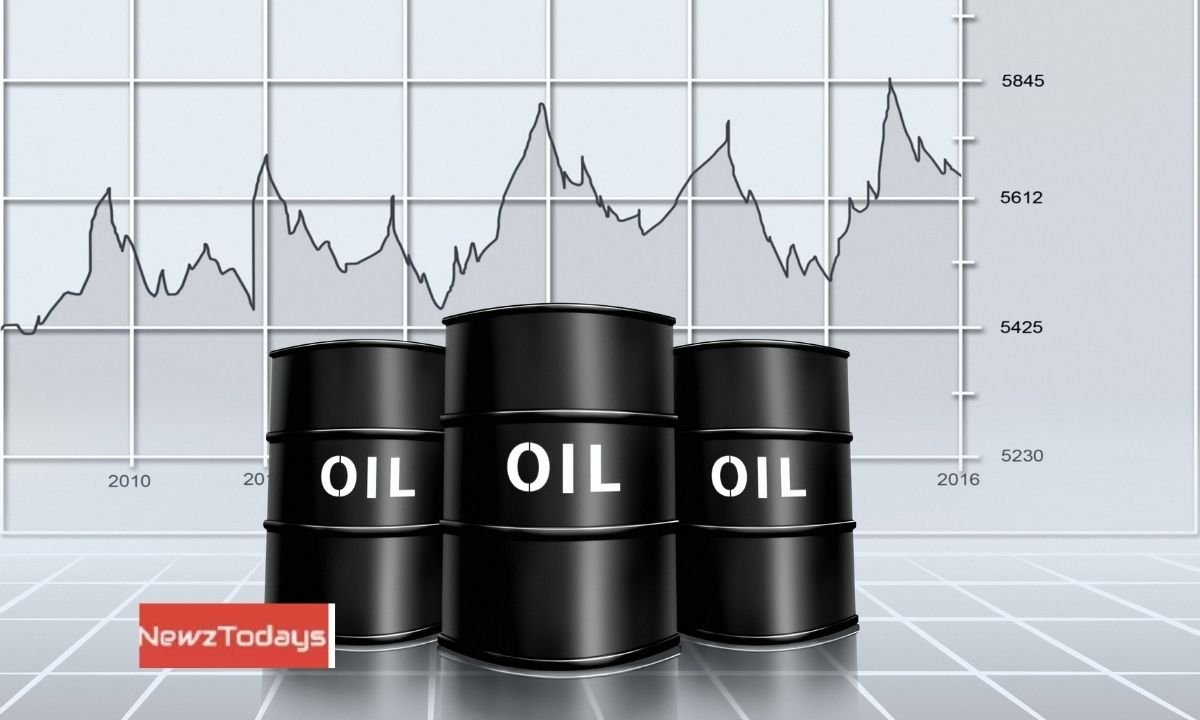
The root cause of the crisis is tied to a decline in crude oil availability and elevated prices, which have led to reduced outputs at major petrochemical plants in the region. Since crude oil derivatives like naphtha serve as the critical feedstock for producing plastics, any constraints in the oil market directly affect plastic resin manufacturing.
Market analysts indicate that the shortage began to manifest as energy markets tightened due to geopolitical tensions, production cuts by oil-exporting countries, and logistical hurdles in supply chains. These combined factors have strained the availability of naphtha and other petrochemical feedstocks, curtailing the capacities of plastic producers.
The disruption is particularly pronounced in countries with substantial plastics manufacturing bases, such as China, India, and Southeast Asian nations. With demand for plastics rebounding post-pandemic, limited raw material supply is driving costs upward and creating bottlenecks for industries reliant on plastic components, including packaging, automotive, and electronics manufacturing.
Industry experts warn that if the supply constraints persist without adequate resolution, the plastics shortage could extend, resulting in broader economic repercussions. This scenario poses challenges for manufacturers who may face difficulties fulfilling orders, potentially impacting exports and domestic markets alike.
Efforts to mitigate the crisis include seeking alternative raw materials, increasing imports of petrochemical feedstocks from less affected regions, and exploring recycling initiatives. However, these solutions may not provide immediate relief given the scale of the shortfall and the complexities involved in adjusting supply chains rapidly.
Policymakers and industry stakeholders are urged to closely monitor the situation to implement strategic measures that could stabilize supplies and support the plastics sector during this period of volatility. The ongoing oil market dynamics remain a critical factor shaping the recovery trajectory of Asia’s petrochemical and plastics industries.