
Pakistan Denies IMF’s 18% GST Demand on Electric Vehicles
The Pakistani government has rejected the International Monetary Fund’s (IMF) proposal to impose an 18 percent General Sales Tax (GST) on electric vehicles (EVs). Instead, the Ministry of Industries has advocated for a reduced GST rate of 1 percent under the nation’s forthcoming auto policy.
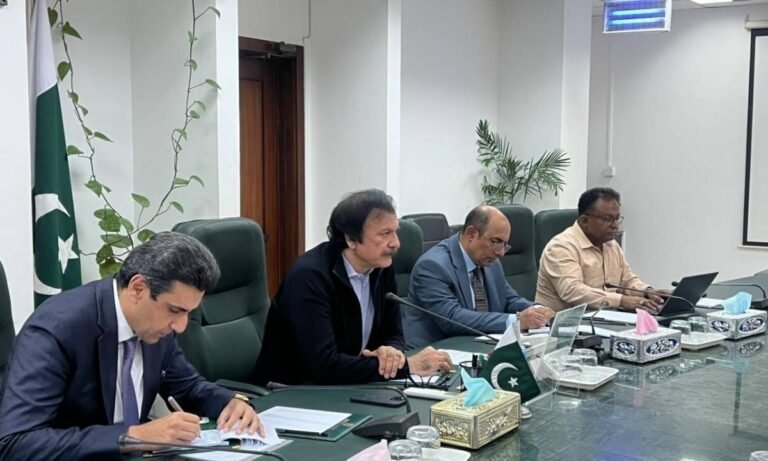
During discussions with a visiting IMF delegation, officials presented key aspects of the new auto policy framework. They emphasized the introduction of a concessional tax rate specifically for New Energy Vehicles, covering a broad range of electric transport technologies including cars, buses, trucks, pickups, tractors, motorcycles, three-wheelers, and commercial vehicles.
Government representatives pointed out that hybrid vehicles currently benefit from a lower GST rate of 8.5 percent, arguing that fully electric models deserve even stronger fiscal incentives. This approach aims to boost electric vehicle adoption and support Pakistan’s transition toward cleaner and more sustainable transportation solutions.
The Ministry also highlighted existing inconsistencies in the taxation structure within the EV supply chain. Imported electric vehicle components are taxed at a concessional 1 percent GST, while locally manufactured parts face the standard 18 percent rate. To address this disparity, officials proposed extending the 1 percent GST rate uniformly across the entire electric vehicle value chain. This measure is expected to prevent refund accumulation complications and foster a level playing field for domestic manufacturers.
Discussions with the IMF further included commitments related to Pakistan’s National Tariff Policy. The government assured the IMF that the country’s weighted average applied tariff would be reduced from 10.6 percent in the fiscal year 2025 to 7.4 percent by 2030. Specifically, for the automotive sector, the target is to lower the weighted average tariff to below 6 percent by 2030.
However, the Ministry of Industries expressed concerns about the speed of tariff liberalization. Officials noted that neighboring countries such as India and Bangladesh continue to maintain relatively high import duties on vehicles to protect their domestic industries.
The new auto policy is reportedly in its final stages of preparation. It will be shared with the IMF before being formally presented to the federal cabinet for approval. Parallel to this, the proposed Motor Vehicle Development Act has been submitted to Parliament. The legislation aims to empower the Engineering Development Board with statutory authority to enforce environmental and safety standards for both locally manufactured and imported vehicles.
The government anticipates the bill will receive National Assembly approval before the end of June 2026, although some coalition partners have expressed concerns over specific provisions in the draft law.
This development reflects Pakistan’s strategic efforts to promote the growth of electric mobility while balancing fiscal policies and international commitments. The final decisions on taxation and regulatory frameworks will significantly influence the future landscape of the automotive sector in Pakistan.