
Federal Budget Allocates Rs77 Billion for Education in 2026-27
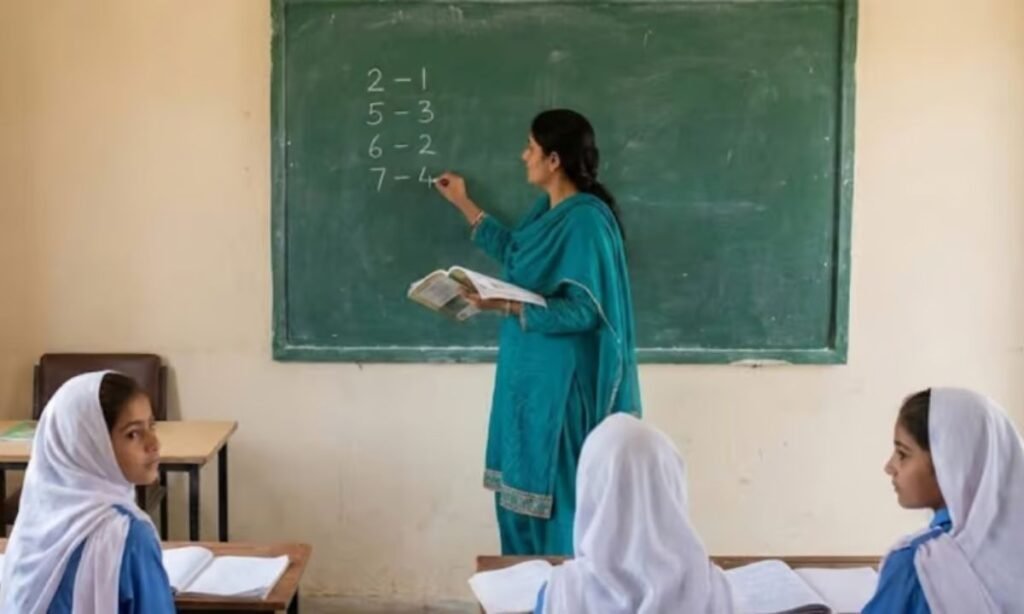
The federal budget for the fiscal year 2026-27 has earmarked Rs77 billion for the development of the education sector, emphasizing support for ongoing projects while introducing a limited number of new schemes under the Public Sector Development Programme (PSDP).
The Higher Education Commission (HEC) has been allocated Rs41.19 billion, which marks an increase of Rs1.71 billion compared to last year. The majority of these funds are designated for 135 ongoing initiatives, including infrastructure development, research, and academic expansion.
Meanwhile, the Federal Ministry of Education and Professional Training is allotted Rs36 billion, with Rs34.80 billion dedicated to continuing 31 projects spanning across various provinces and regions. A specific focus within this allocation is on Danish Schools, which will receive Rs4.60 billion to support operations in areas including Azad Kashmir, Gilgit-Baltistan, Chitral, and Sindh.
Skill development remains a key priority in the budget. The Prime Minister’s Youth Skill Development Programme will receive Rs3.29 billion, aimed at enhancing vocational training and workforce readiness. Additionally, Rs2.61 billion has been designated for broader skill development initiatives under the PSDP framework.
The Pakistan Education Endowment Fund is allocated Rs3 billion for scholarships and financial assistance to students, reflecting the government’s commitment to improving access to higher education for underserved populations.
In terms of new initiatives, the HEC plans to launch three projects with a token allocation of Rs300 million. The Federal Ministry of Education is also introducing two new projects focused on digital learning and the rollout of ‘Metric Tech,’ each with a provision of Rs600 million for execution during the fiscal year.
The overall budgetary approach prioritizes the continuation and completion of existing education projects with only a modest introduction of new schemes, signaling a strategy to consolidate and expand current efforts before initiating widespread new programs.
These allocations come amid broader fiscal planning, with the government simultaneously targeting economic growth through job creation and fiscal deficit reduction, indicating an integrated approach to national development.