
North Sea Producers Urge Scrapping Windfall Tax
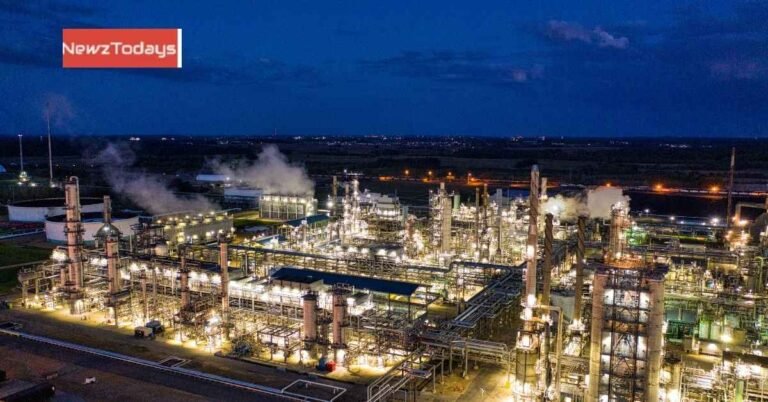
Major North Sea oil producers are calling on UK Prime Minister Andy Burnham to eliminate the current windfall tax on oil and gas profits. Industry leaders argue that replacing the Energy Profits Levy (EPL) with a price-triggered tax would boost investment and unlock new projects in a struggling sector.
Industry Push for Tax Reform and New Projects
Offshore Energies UK (OEUK), representing the UK oil and gas sector, has highlighted how the existing windfall tax, introduced by the Labour government and effective until 2030, has hindered investment in exploration and production. They propose to replace the EPL with an Oil and Gas Revenue Levy (OGRL), which would only be applied when prices exceed certain thresholds. This, they say, could unlock 111 projects and attract up to £50 billion in new investment.
Two major developments, the Rosebank and Jackdaw fields, remain pending government approval and are seen as pivotal to increasing domestic production. However, both projects have faced legal challenges in Scotland on environmental grounds, reflecting ongoing tensions between economic ambitions and ecological concerns.
Economic Potential Versus Environmental Concerns
The UK’s North Sea oil output has declined in recent years amid increasing restrictions on drilling and fossil fuel projects under the Labour administration. Domestic supply now covers only about one-third of the country’s oil and gas demand and is projected to remain limited through 2050. Advocates for expanding production stress that greater self-sufficiency could reduce reliance on imports and improve energy security.
Research by the NGO Global Witness warns that the proposed OGRL would yield significantly less revenue than the EPL at prevailing oil prices. For instance, at $100 per barrel, the new levy could generate £8.6 billion less by 2030, while at $70 per barrel, it may produce no funds at all compared to £4.6 billion under the current tax. This revenue difference has fueled debate about balancing industry incentives with public finances.
Why This Matters for Pakistan
For Pakistan, heavily dependent on imported energy, developments in the North Sea highlight the complex trade-offs involved in managing domestic energy resources and taxation policies. While Pakistan does not have a comparable offshore industry, lessons can be drawn about encouraging investment in local energy sectors through taxation incentives and striking a balance between economic growth and environmental safeguards. Additionally, fluctuating global oil prices and production decisions in major suppliers directly impact Pakistan’s energy import costs and inflation.
OEUK’s call to reform the windfall tax underscores the ongoing challenge of maintaining energy security while fostering sustainable industry growth—a dilemma faced worldwide, including by energy-importing nations like Pakistan.
Simone Rossi, CEO of EDF Energy, described the approval of new fields like Rosebank and Jackdaw as a “no-brainer” for economic and energy stability, highlighting support from parts of the sector despite opposition from environmental groups.