Libya’s Oil Reserves Draw Limited Interest from Western Firms
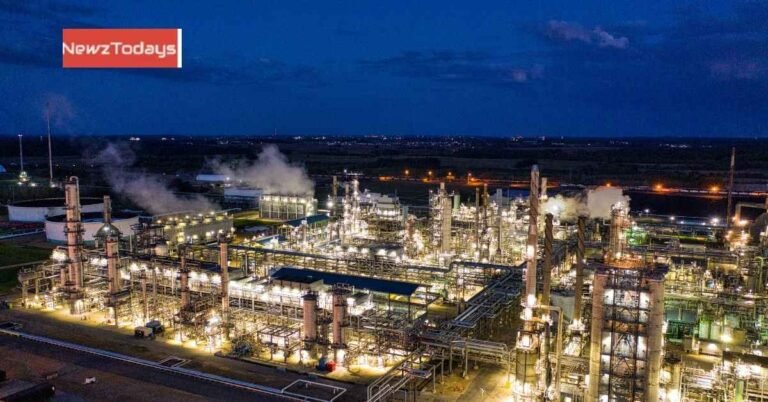
Libya holds Africa’s largest proven oil reserves and recently saw production reach a 13-year peak of around 1.4 to 1.5 million barrels per day (bpd). Despite these promising figures, major Western oil companies remain hesitant to invest further in the country’s oil sector.
Limited Uptake in Libya’s 2026 Licensing Round
In February 2026, Libya held its first oil licensing round since 2007, which was expected to attract significant attention from international oil giants. However, only five out of 22 available blocks were allocated, and none of the major Western supermajors, including Shell, TotalEnergies, ExxonMobil, and BP, submitted binding bids. The awarded blocks mainly involved companies such as Spain’s Repsol and Turkey’s TPAO. This tepid response contrasts sharply with initial hopes that deepwater and offshore fields would attract more substantial investment.
Challenges Hindering Western Involvement
Several challenges are cited as deterrents for Western firms. Security concerns remain high due to ongoing political instability and unresolved disputes over oil revenue sharing within Libya. The National Oil Corporation (NOC) and the Central Bank face an $839 million financial gap, and recent events such as a blockade in Sharara have added to operational risks. Moreover, the NOC’s ambitions to boost output to 2.1 million bpd rely heavily on mature onshore fields rather than the offshore blocks that the licensing round targeted.
Why Libya’s Oil Sector Matters for Pakistan
Libya’s oil developments hold relevance for Pakistan amid the country’s ongoing energy challenges. Access to diversified and stable oil supplies can help Pakistan address its fuel security and reduce dependence on volatile markets. However, Libya’s political and security uncertainties limit the prospects of tapping into these reserves through international partnerships. For Pakistani policymakers and energy stakeholders, Libya’s case underscores the critical importance of stable governance and transparent economic frameworks to attract foreign investment in the energy sector.
A notable oil market analyst emphasized, “Libya’s potential is immense, but the lack of security and political consensus remains a major barrier for international companies considering long-term investment.” This encapsulates why Western majors are cautious despite Libya’s abundant resources and recent production gains.
Related Stories
- COP31 Electrification Push Faces Resistance from Developing Nations
- New North Sea Gas Supply Begins Amid UK Political Controversy
- Goldman Sachs Predicts Oil Surplus in 2027
- Trump Extends Jones Act Waiver by 90 Days Amid Fuel Price Pressures
- Europe Faces Challenges in Doubling Electricity Share by 2040