Trump Extends Jones Act Waiver by 90 Days Amid Fuel Price Pressures
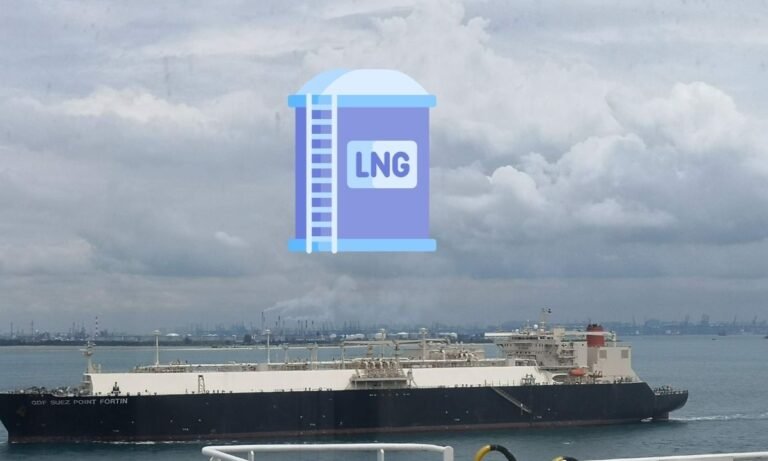
The Trump administration has prolonged the waiver of the 1920 Jones Act for an additional 90 days, allowing foreign-flagged ships to transport oil and commodities between U.S. ports. This decision comes amidst continuing tensions in the Middle East, particularly the conflict involving Iran, which has exerted upward pressure on fuel prices.
Jones Act Waiver and Shipping Regulations
The Jones Act mandates that goods shipped between U.S. ports must be carried on vessels that are built, owned, and operated by Americans. However, the current waiver suspends this requirement, thereby expanding the pool of vessels eligible to participate in domestic shipping operations. This marks the longest suspension in the history of the law.
Unlike earlier blanket waivers, the administration now requires foreign vessels to secure specific approvals for individual voyages. This change, implemented in August after pushback from the American maritime industry, has significantly reduced the frequency of waivers granted—from approximately 300 under blanket permission to just 48 with the approval process.
Impact on Fuel Prices and Industry Response
The extension aims to ease disruptions in gasoline, diesel, and fertilizer supplies amid rising costs. Despite these measures, consumer prices remain elevated. For instance, current U.S. gasoline prices average $3.91 per gallon, a rise from $2.98 before hostilities with Iran intensified. Diesel prices have also more than doubled from $3.76 to $6.10 per gallon.
Experts highlight that shipping costs constitute a minor share of retail fuel prices, and the relaxation of Jones Act restrictions may yield only minimal savings at the pump. Moreover, American maritime groups continue to express concerns about job losses and national security risks associated with the waiver. Over 50 Republican lawmakers have urged the administration to reinstate full restrictions, emphasizing the importance of maintaining the domestic shipping industry.
Why It Matters for Pakistan
As Pakistan navigates its own energy supply challenges, especially in the context of fluctuating global fuel prices, developments in the U.S. shipping and fuel markets have indirect implications. The extension of the Jones Act waiver is a reflection of how geopolitical tensions and trade policies impact petroleum logistics and pricing worldwide. For Pakistan, which relies heavily on energy imports, understanding these shifts is key to forecasting fuel availability and budget planning.
According to a White House official, “The continuation of this waiver provides critical flexibility in transporting vital commodities amidst global uncertainty.” The decision underscores the balancing act between supporting domestic industries and ensuring energy supply stability during geopolitical strife.
Related Stories
- Europe Faces Challenges in Doubling Electricity Share by 2040
- Iran Conflict Spurs Southeast Asia’s Renewable Energy Shift
- Germany Dismantles Nord Stream Power Plant for Ukraine Transfer
- US Oil Rig Count Steady as Crude Production Reaches New High
- China Boosts Soft Power in Uzbekistan Amid Rising US Influence