

Apple plans iPhone Manufacturing in Pakistan: EDB CEO
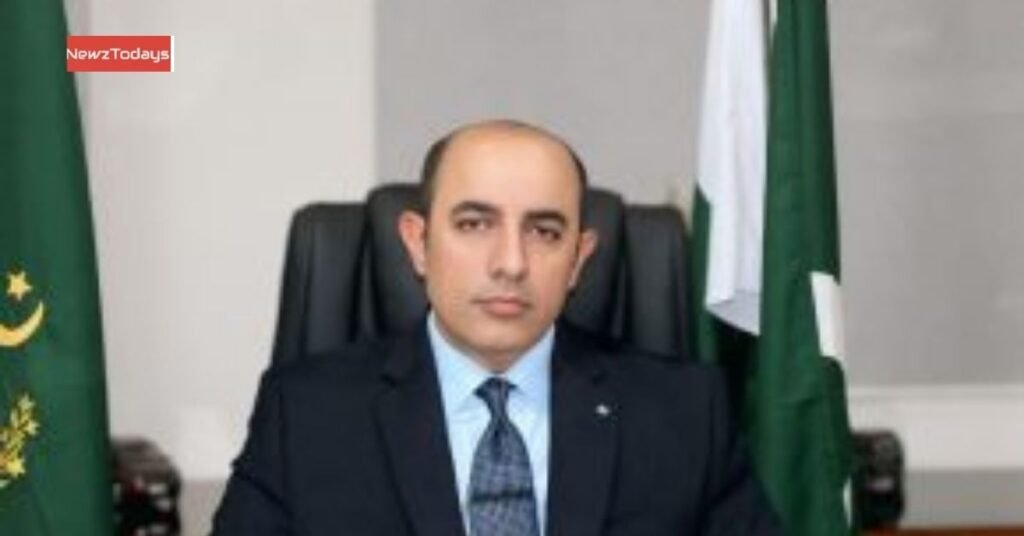
Apple will begin refurbishing and later assembling iPhones in Pakistan under a new incentives framework, Engineering Development Board CEO Hamad Ali Mansoor told Express Tribune, projecting $100m in first-year re-exports and higher localisation targets.
Apple is set to enter Pakistan’s mobile manufacturing sector with a phased plan starting from refurbishing iPhones for re-export, Engineering Development Board Chief Executive Officer Hamad Ali Mansoor said in an interview with Express Tribune.
“We have included Apple’s key conditions in the proposed Mobile and Electronics Manufacturing Framework, which is being submitted for approval to Prime Minister Shehbaz Sharif,” Mansoor said.
Read More: PTA Approves iPhone 16, 15, 14 on Easy Instalments
He said Apple sought three main incentives. The company requested land at discounted rates. It also asked for permission to refurbish two- to three-year-old iPhones. In addition, it sought an 8% performance-based incentive.
“The government is already offering 6% performance incentives to existing mobile manufacturers. We are increasing this to 8% to attract Apple and other global players,” Mansoor said.
He added that Apple had followed a similar entry strategy in Indonesia, Malaysia and India. The company initially launched repair and refurbishment operations to train local manpower. It later moved to full-scale manufacturing in those markets.
Pakistan expects $100m in re-exports of refurbished iPhones during the first year of operations, he said. Officials see the move as a stepping stone toward full-scale iPhone assembly.
Pakistan’s mobile assembly industry has expanded sharply since 2020. According to the Pakistan Telecommunication Authority, local plants assembled over 21m mobile phones in 2023, compared with negligible volumes five years earlier. Commercial imports of fully built units have declined significantly under higher regulatory duties.
Yet localisation remains low. “Currently, localisation in mobile phone manufacturing stands at around 12%,” Mansoor said. “Manufacturers have assured us they will increase localisation to 35% in the first year, and then to 50%.”
The government wants to build a domestic supply chain for components. Pakistan imported billions of dollars worth of mobile parts in recent years, according to State Bank of Pakistan data. Authorities believe higher local value addition will reduce pressure on foreign exchange reserves.
Mansoor said the proposed framework also includes an export levy of up to 6% on high-end mobile phones. The levy aims to generate Rs62bn for a technology investment fund. Devices priced between Rs50,000 and Rs60,000 will remain exempt. The levy will apply to phones priced above Rs100,000.
“These funds will be used to promote localisation and technology development in mobile manufacturing,” he said.
The policy push aligns with Pakistan’s broader export diversification strategy. According to the State Bank, Pakistan’s total goods exports hovered around $30bn in fiscal year 2024. Textiles accounted for more than half of export receipts. Electronics exports remain marginal compared to regional competitors.
India’s mobile phone exports crossed $15bn in fiscal year 2024 under its production-linked incentive scheme, according to official Indian data. Vietnam and Malaysia have also become major electronics hubs over the past decade. Pakistan now aims to replicate parts of that model.
Mansoor said Chinese investors are also committing fresh capital. “We are expecting $557m in mobile manufacturing investment from Chinese companies,” he said. Several memorandums of understanding were signed during the prime minister’s recent visit to China.
He added that the new policy targets investment beyond smartphones. The framework covers laptops, tablets, smart watches, trackers and wireless earbuds. Authorities aim to transform Pakistan into a regional hub for mobile and electronics exports.
Alongside electronics, the government is expanding support for electric vehicles. Under the current fiscal year budget, Rs9bn was allocated to subsidise electric two-wheelers. Buyers receive up to 40% subsidy, financed through a 3% tax on conventional vehicles.
“We have collected Rs12bn in six months against a Rs9bn target,” Mansoor said. The surplus allows authorities to consider extending subsidies to four-wheeler electric vehicles.
He said a Lahore-based company is setting up a plant to produce small electric cars priced between Rs700,000 and Rs800,000. The pricing is comparable to entry-level conventional vehicles such as Suzuki Alto.
The government plans to widen the e-bike scheme beyond balloting in the second phase. Mansoor said digitisation of certification and regulatory processes in the auto industry is also under way to ensure transparency.
If approved, the new Mobile and Electronics Manufacturing Framework could mark Pakistan’s first major attempt to bring Apple into local assembly. Mansoor said the government remains focused on localisation, export growth and positioning Pakistan as a competitive electronics manufacturing destination.