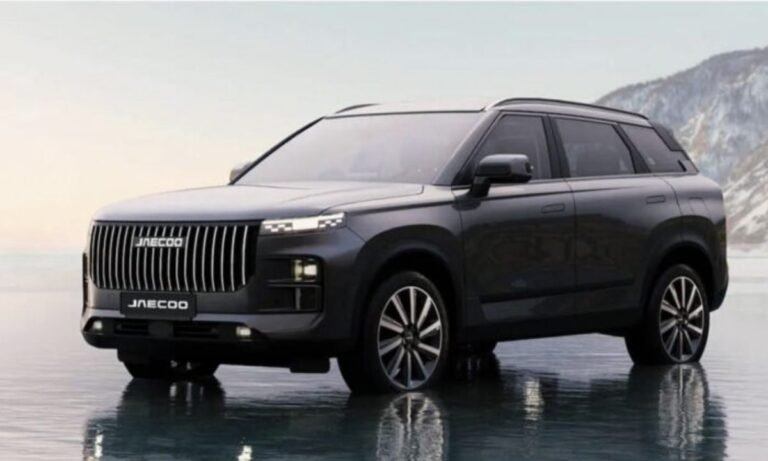
Electric Supercars Accelerate with Smarter Tech and Extended Range
Electric supercars are rapidly evolving to combine remarkable speed with advanced technology, positioning themselves as serious contenders against traditional luxury internal combustion engine (ICE) vehicles. The ongoing transformation in electric vehicle (EV) technology has enabled supercars to reach higher performance levels, extend driving range, and offer novel features that appeal to an increasingly discerning audience.
Advances in Electric Supercar Performance
Recent innovations have allowed luxury automakers to launch electric and hybrid sports cars with significantly improved acceleration and battery efficiency. Extended-range electric vehicles (EREVs), which function similarly to plug-in hybrids but with longer battery life and more robust electric motors, have emerged as a key development. These vehicles integrate a gasoline-powered generator primarily to recharge batteries rather than to drive the wheels directly, enhancing efficiency and reducing maintenance.
For example, BMW introduced an early range-extender option with its i3 model, albeit with limited capabilities. However, this approach is now being refined and expanded by multiple manufacturers looking to capture consumers interested in moving away from traditional ICE-powered supercars, particularly amid rising fuel prices.
New Electric Models Targeting Diverse Markets
With an eye on expanding their reach, automakers such as Ford, Jeep, Ram, and Volkswagen’s Scout brand have announced upcoming EREV trucks and SUVs tailored to meet the expectations of American consumers who prioritize longer mileage and range. Vehicles like the Jeep Grand Wagoneer REEV and the Stellantis RAM 1500 REV are slated for release in the U.S. market by late 2026.
These models use a V6 engine paired with a high-capacity battery—92 kilowatt-hours—to deliver superior power and performance that surpass earlier models like the BMW i3. This fusion of electric propulsion with gasoline generators aims to alleviate concerns over driving range and charging infrastructure, making electric pickups and SUVs more appealing to a traditionally conservative buyer base.
What This Means for Pakistan’s Automotive Landscape
Though Pakistan’s market differs, the global shift towards electric supercars demonstrates an industry-wide commitment to cleaner, smarter, and high-performance vehicles. For Pakistani consumers and policymakers, this trend underscores the importance of investing in EV infrastructure and technology to keep pace and benefit from advancements that promise lower emissions and more sustainable transport options.
Moreover, as fuel costs fluctuate, the appeal of electric and hybrid vehicles with extended range capabilities may grow in Pakistan, particularly among affluent buyers looking for luxury and performance without the environmental trade-offs of conventional engines.
According to automotive expert Felicity Bradstock, “Luxury automakers are launching high-performance electric vehicles with greater acceleration, advanced technology, and longer driving ranges,” signalling a shift that could soon influence diverse markets worldwide, including Pakistan.