

Govt To Introduce Uniform Electricity Rates for Consumers
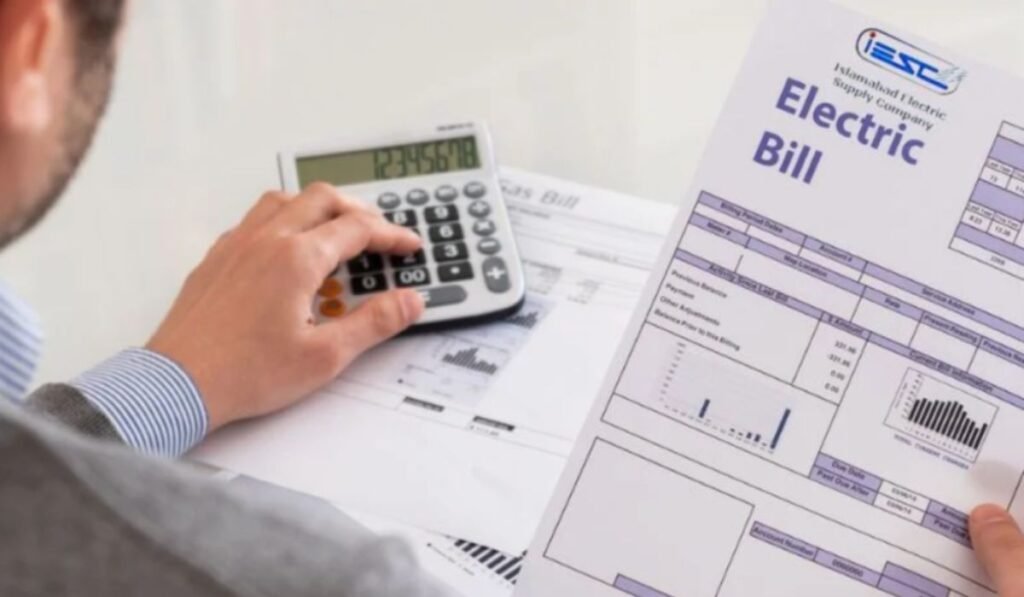
The government is likely to introduce uniform electricity tariff for all categories of the consumers to end circular debt in power sector.
Sources said that Economic Coordination Committee (ECC) has directed power division to gradually move towards uniform tariff in the power sector aimed at bringing efficiency.
It will help end circular debt which had affected the foreign funded projects in the power sector.
Read More:
- How to Check and Pay IESCO Bill Online
- GEPCO Bill Online – Check, Download Your Bill
- Check MEPCO Bill Online-A Quick Guide
At present, the government charges different rates for different category of the consumers which result in cross subsidy. The economic decision making body has directed the power division to introduce uniform tariff for all consumers.
The power division highlighted the implications of the circular debt on the foreign funded projects in the power sector and the chairman economic coordination committee (ECC) emphasized for consultation between the petroleum and power division and finance division to develop a road map for reducing the circular debt.
Sources told that during the discussion in a recent meeting of economic decision making body, Power Division presented the background of the Circular Debt Management Plan and explained that the recovery targets were well aligned with IMF staff.
The ECC observed that although targets set by IMF were met, but going forward, the focus should be oriented towards efficiency and as a long-term solution, it should be gradually moved towards uniform tariff. The Finance Division also supported the importance of uniform tariff as one of the tools for achieving efficiency as a policy choice. The forum also stressed upon the need for deliberations regarding GENCOs & IPPs which are in privatization process. It was informed by Power Division that the schedule of GENCOs (4 to 6) is under process which will help to clear the liabilities.
The Minister of Energy (Power Division) briefed that the Government of Pakistan (GoP) is continuously working towards the resolution of the multidimensional challenges confronting the power sector.
The Ministry of Energy (Power Division) briefed the ECC that the Circular Debt Management Plan (CDMP) is aimed to ensure effective management of circular debt through efficiency improvements measures. CDMP highlighted the reduction in flow of circular debt to its minimum level.
The Plan covered the financial year 2025-26 and described the interventions to address the CD issue in the Pakistan power sector. The plan also envisaged measures to reduce the stock of circular debt by phasing out the accumulation of power producers. The gap in cost-recovery measures and the projected use of cheaper power shall be mitigated through efficiency measures. The Finance Division stressed that committed subsidies will be budgeted properly and released on time.
The Ministry of Energy (Power Division) further informed that in the medium to long term perspective, the formulation of CDMP has implications like for achieving efficiency, cost-reflective tariffs, resource availability, change in Commercial Operations Date (COD) of incoming power plants, cost-recovery issues, exchange rate volatility, inflation, imported coal prices, and crude oil prices. These factors have major implications on power purchase costs. Accordingly, a new trajectory for forecasting of power purchase price, which is rational and aligned with sector revenue requirements, has been chalked out for FY 2025-26.
Likewise, the projections assume aggressive improvements in DISCOs’ efficiencies, recognizing the scope for utility-level and national-level reforms, better risk management, internal checks and balances. Aligning the CDMP with its target requires a continuous process of sequence monitoring.