
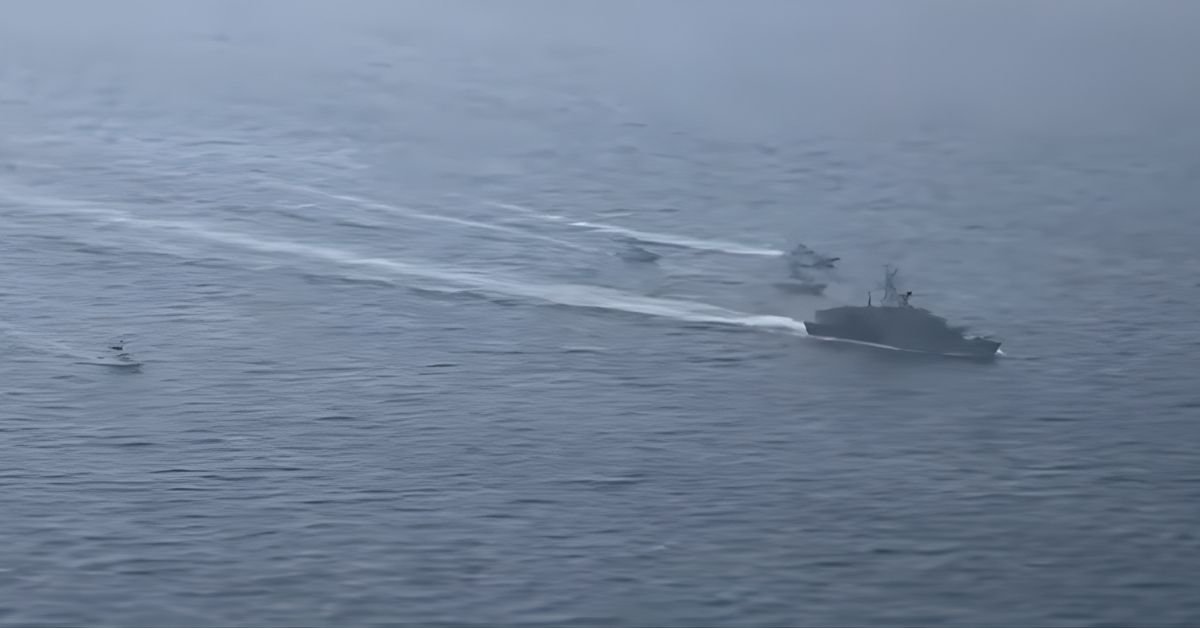
Halliburton, Valero Among Stocks Impacted by Hormuz Truce
Brent crude prices have dropped over 20% in the last month as the Strait of Hormuz reopens following months of closure due to conflict. Despite the reopening, intermittent attacks and military tensions continue to create uncertainty in this crucial oil transit route.
The Strait of Hormuz is a strategic chokepoint responsible for the transit of about one-fifth of global seaborne oil. It was nearly closed for four months after the United States and Israel conducted strikes on Iran on February 28. In retaliation, Iran mined the strait, targeted tankers, and blocked access to those it deemed hostile.
On June 17, an interim memorandum of understanding was signed between the US and Iran to reopen the strait to toll-free maritime traffic and to de-escalate the conflict over a 60-day period. However, the situation remains fragile. Iran briefly closed the strait again in April citing ceasefire breaches. Recently, between June 25 and 28, a fresh round of attacks involved drones hitting a container ship followed by US retaliations, and Iran striking a vessel transporting Qatari oil. Both parties have since agreed to a temporary pause prior to upcoming talks in Doha.
Currently, shipping operations are operating on a daily quota system under the supervision of Iran’s Revolutionary Guard navy. Hundreds of vessels remain stranded in the Gulf, and war-risk insurance rates are still significantly above levels seen before the conflict.
Despite these challenges, key Gulf producers such as Saudi Arabia, the UAE, Kuwait, and Qatar have resumed loading oil tankers. Gulf oil flows are reported to have returned to roughly 75% of prewar volumes. This recovery in exports has pressured oil prices downward, impacting energy companies exposed to the Middle East market.
Companies like ExxonMobil and Halliburton suffered direct financial losses from the conflict but are positioned to benefit once drilling activities and liquefied natural gas (LNG) output stabilize. Conversely, companies such as Frontline, which profited from the tanker rate spikes during the closure, now face a downturn in earnings as shipping rates soften with the strait’s reopening.
The current environment of low oil prices combined with ongoing geopolitical risks presents a complex landscape for energy investors. The tentative peace in the region and the gradual restoration of production levels contribute to an uneven recovery for industry players connected to Gulf operations.
As the market continues to monitor developments from the Gulf and the outcomes of upcoming diplomatic talks, energy sector stocks like Halliburton, Valero, and others remain closely tied to the stability of the Strait of Hormuz and broader Middle East security.