Trump Demands Immediate Gas Price Cuts Amid Falling Oil Costs
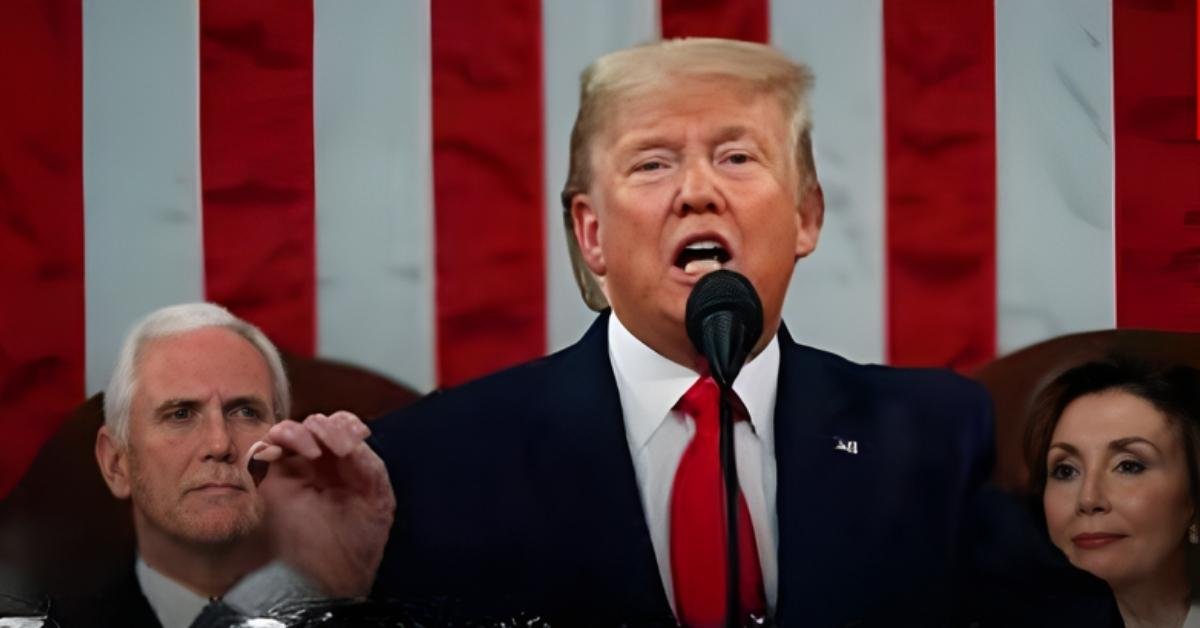
Former U.S. President Donald Trump has publicly urged gasoline retailers to reduce fuel prices immediately, criticizing them for not passing on the benefits of lower crude oil prices to consumers.
In a social media statement, Trump emphasized that with oil prices recently dropping to around $68 a barrel and continuing to decline, gasoline stations should lower pump prices accordingly. “Gasoline Retailers must get their Prices down, IMMEDIATELY! They’re too high considering that Oil is now at $68 a Barrel, and heading south,” he stated.
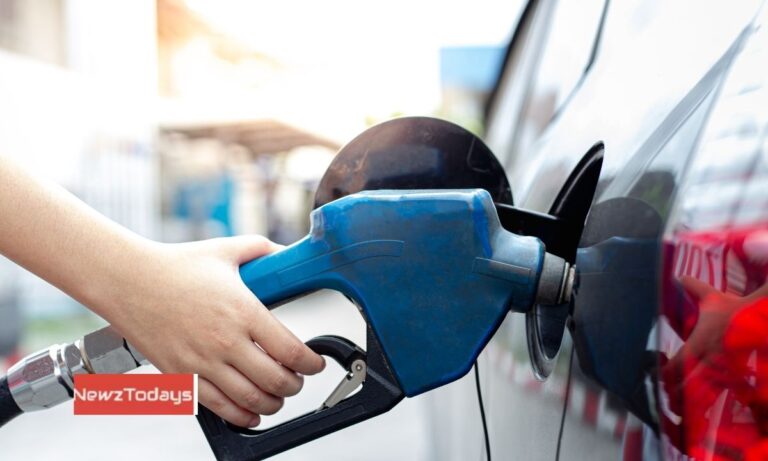
Trump was particularly critical of pricing in California, suggesting that heavy state taxes on gasoline were contributing to inflated pump prices. He warned retailers against what he described as illegal price gouging and urged prices to target approximately $2.50 per gallon, a figure he called fair for consumers.
The push for lower fuel prices comes amid easing geopolitical tensions in the Middle East, particularly diplomatic efforts involving the U.S., Israel, and Iran. These developments have helped stabilize crude oil prices after recent volatility. Consequently, gasoline prices in the U.S. have declined for seven consecutive weeks.
According to data from the American Automobile Association (AAA), the national average price for regular gasoline recently fell to $3.86 per gallon, down from $3.93 a week earlier and significantly lower than the $4.39 recorded a month prior. Nevertheless, prices remain higher compared to the same period last year, when the average was around $3.19 per gallon.
This call for immediate price reductions follows Trump’s earlier announcement that he had ordered an investigation into fuel retailers for price-gouging practices. He attributed the failure to reduce prices to major oil companies, naming ExxonMobil, Chevron, Shell, and BP as responsible for maintaining high margins despite falling oil costs.
Trump’s statements have reignited debate over the pricing dynamics in the fuel market and pressures on retailers to reflect changes in the global oil market. The administration’s ongoing scrutiny of the oil sector underscores the political sensitivity to fuel prices and their impact on consumers.