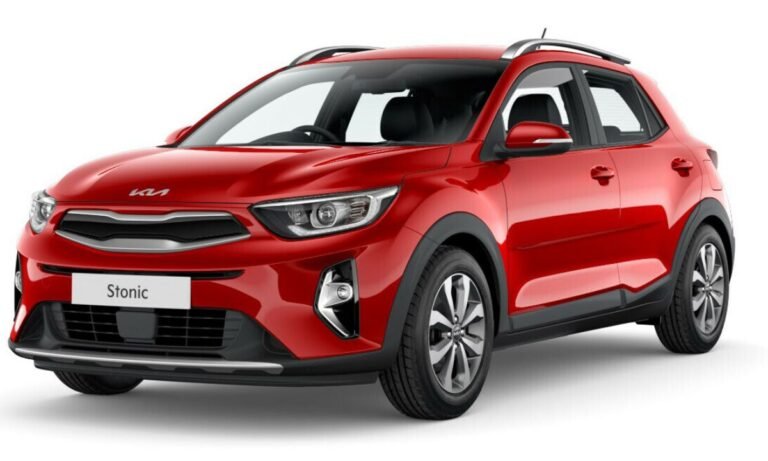
Hyundai Bayon 2026 Unveiled with N Line and Hybrid Version
Hyundai has introduced the second-generation Bayon SUV at the 2026 Paris Motor Show, showcasing significant updates including a sportier N Line variant and a full-hybrid powertrain set to debut in 2027. This redesigned subcompact SUV is larger and more refined than its predecessor, aligning with the brand’s evolving design language.
Expanded Size and Enhanced Features
The updated Bayon stretches to 4,245 mm in length with a width of 1,810 mm and a wheelbase of 2,600 mm, offering more spacious interiors, particularly benefiting rear passengers and luggage capacity. The petrol models provide 440 litres of boot space, while the upcoming hybrid versions offer 397 litres. Hyundai’s latest design cues include a full-width front light arrangement, pronounced body lines, and a more upright front profile.
N Line Styling and Advanced Cabin Technology
The introduction of the Bayon N Line variant brings sport-inspired visual upgrades without altering the SUV’s core performance. This trim features a distinctive grille, reworked bumpers, blacked-out exterior accents, dual exhaust outlets, exclusive alloy wheels, and sport seats highlighted by red stitching. Inside, buyers can expect a digital-centric setup with dual 12.3-inch displays for the instrument cluster and infotainment system, complemented by wireless Apple CarPlay, Android Auto, optional wireless charging, and a premium Bose sound system.
Powertrain Options and Hybrid Expansion
Initially, the Bayon will be sold with 1.0-litre turbocharged petrol engines available in two states of tune: 90 PS with 172 Nm torque and 115 PS producing up to 200 Nm. Transmission choices include a six-speed manual or a seven-speed dual-clutch gearbox. The full-hybrid model, arriving in 2027, will employ a 1.6-litre engine paired with a six-speed DCT delivering a combined output of 138 PS and 264.8 Nm, reflecting Hyundai’s strategy to broaden hybrid availability in smaller vehicle segments.
This hybrid approach aligns with the wider trend in Pakistan, where Hyundai already markets several electrified models including the Elantra Hybrid and Tucson Hybrid. Although the Bayon is not currently offered in Pakistan, the expanded hybrid technology demonstrates the brand’s commitment to fuel-efficient and environmentally friendly vehicles at various price points.
Safety and driver assistance systems have also been upgraded, featuring adaptive cruise control, lane-following assist, blind-spot monitoring, and surround-view cameras, depending on the trim level.
The petrol variants of the Bayon are expected to hit European markets soon, with hybrid models following in the next year. Production will take place in Turkey, positioning the Bayon below the Kona in Hyundai’s European SUV lineup.
For Pakistani readers, the launch of the new Bayon highlights ongoing global shifts towards electrification and sporty yet practical vehicles. While this model is yet to be introduced locally, its hybrid technology signals potential improvements in Hyundai’s future offerings in Pakistan’s competitive compact SUV segment.
Hyundai representative at the Paris launch commented, “The new Bayon combines versatility with advanced hybrid tech, responding to customer demand for efficient yet stylish urban SUVs.”