
Indus Motor warns Middle East crisis To disrupt supply chains
Indus Motor has warned of potential supply disruptions linked to the ongoing Middle East crisis.
Management of Indus Motor has urged the government to relax auto financing limits to support consumer demand.
It also recommended adjustments to taxes and duties, particularly on completely knocked-down (CKD) units used in local assembly.Industry players also want clearer rules for used car imports to ensure fair competition.
Indus Motor (INDU) conducted its 1HFY26 analyst briefing on Wednesday.
Indus Motor profit rises 28% in 1HFY26Indus Motor Company reported Rs12.7bn profit for 1HFY26 as management flagged margin pressure, supply disruptions, and policy uncertainty in its latest analyst briefing.
Indus Motor Company reported a profit after tax of Rs12.7bn for the first half of FY26, reflecting a 28% year-on-year increase, according to management during its latest analyst briefing.
Earnings per share for the period stood at Rs161.6.The company reported gross margins of 13.1% in the second quarter of FY26. Margins declined compared with 14.1% recorded in the same quarter last year and 17.1% in the previous quarter.
Management attributed the margin compression mainly to discounted sales campaigns and currency fluctuations.
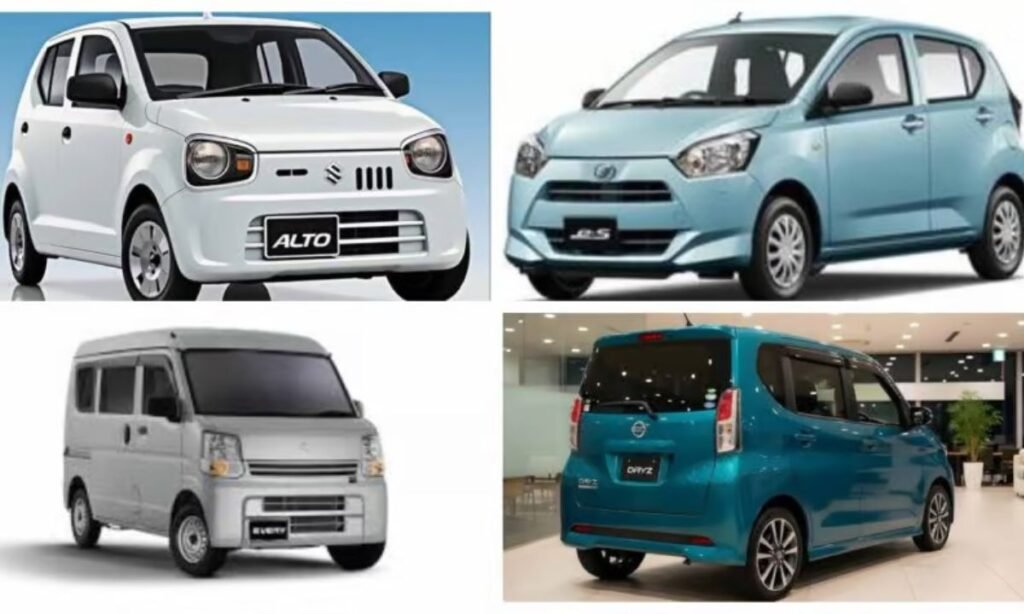
A shift in the sales mix toward lower-margin variants also contributed to the decline.Indus Motor officials also highlighted trends in Pakistan’s imported used car segment. About 25,507 used vehicles were imported during the first half of FY26.
The company said the trend has slowed in recent months after a strong inflow during FY25.Used car imports reached around 42,125 units during FY25.
Analysts say fluctuations in import regulations and currency costs continue to influence the used car market.Management also warned of potential supply disruptions linked to the ongoing Middle East crisis.
Delays in imported parts could emerge due to logistical congestion and higher freight costs.Shipping delays may also affect production schedules and inventory management in the coming months.
The company said a broader ripple effect could become visible within the next month, making crisis management increasingly important.Indus Motor said Pakistan’s upcoming Auto Policy review remains a key factor for the sector.
The current auto policy is scheduled to expire on June 30, 2026.The existing framework offers incentives for hybrid vehicles to encourage fuel efficiency and environmental sustainability.
Management expects the government to rationalize the tax structure for other vehicle categories under the upcoming policy.Some vehicles currently face a 25% sales tax under the existing structure.
The company believes this rate could potentially be reduced to around 18% to maintain neutrality across the automotive sector.Industry participants say tax rationalization could support demand while improving competitiveness within the local automobile market.
Read More: Indus Motor Earnings up 23% YoY in 2QFY26
A balanced tax regime may also help local assemblers compete more effectively with imported vehicles.Indus Motor confirmed that new vehicle models and product changes remain under consideration. However, management said no timeline has been finalized due to ongoing economic and geopolitical uncertainties.
The company currently operates a dealership network of 58 outlets across Pakistan. The network includes 27 dealerships in Punjab, 15 in Sindh, five in Khyber Pakhtunkhwa, and four in Balochistan.
Six dealerships operate in Islamabad and Rawalpindi, while one outlet is located in Gilgit-Baltistan. The company continues expanding its service and distribution network to support customer demand nationwide.Management expects gradual recovery in Pakistan’s auto demand over the coming months.
Economic stability, easing inflation, and relatively steady financing rates could support vehicle sales.However, the company warned that geopolitical tensions in the Gulf region may create uncertainty for supply chains and consumer sentiment.
Regional instability could also affect logistics routes and import costs for automotive components.Indus Motor also supported the introduction of a clear and market-based Auto Policy for the 2026–31 period.
The company said future policy should align with Pakistan’s commitments under the International Monetary Fund program.
Stronger regulations could also improve consumer protection and safety standards.Pakistan’s automobile industry has experienced volatility during the past three years due to import restrictions and currency depreciation.
However, improving macroeconomic stability and policy clarity could gradually support sector recovery, with Indus Motor positioning itself for steady growth in the coming years.