Oil Prices Drop Sharply on Talks of Iran Peace Deal
Oil prices experienced a significant decline, with West Texas Intermediate (WTI) crude falling by more than 9%, amid reports of a potential agreement aimed at ending conflict involving Iran. This development has led to renewed optimism about stability in the region, prompting a swift reaction across global energy markets.
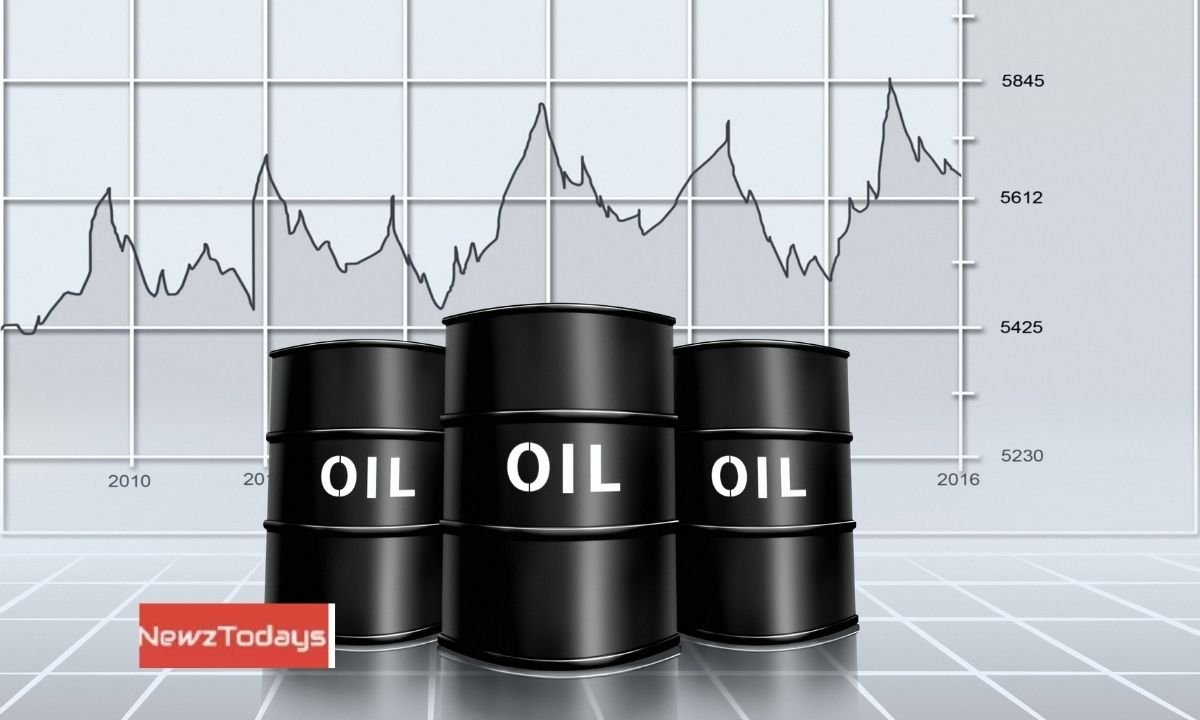
WTI crude futures dropped to approximately $92.88 per barrel, losing over 9%, while Brent crude fell nearly 8% to around $101.10 per barrel. Other benchmarks, including Murban crude and various refined products like heating oil and gasoline, also saw substantial decreases ranging between 6% and 7%.
The reported deal, though details remain limited, is perceived by investors as a step towards easing geopolitical tensions that have previously threatened oil supply chains. The Middle East, particularly Iran, plays a critical role in global oil markets given its significant production capacity and strategic location.
Market analysts note that fears of prolonged conflict had contributed to elevated oil prices in recent months. The news of a possible settlement has shifted the sentiment, leading traders to reassess the risk premium associated with Middle Eastern oil production.
Natural gas prices also showed a slight decrease, reflecting interconnected energy market dynamics. Heating oil and gasoline prices declined sharply, indicating broad downward pressure across petroleum products.
The potential peace deal could restore predictability in the region’s energy exports, benefiting consumers by reducing volatility in global oil markets. However, market watchers are cautious, awaiting verified confirmations and further details about the agreement’s scope and implementation timeline.
The Organization of the Petroleum Exporting Countries (OPEC) basket price showed a marginal increase, highlighting a complex market where some producers might benefit from the changing geopolitical landscape.
Global energy markets remain sensitive to political developments in the Middle East. The recent drop in oil prices underscores the influence of geopolitical factors on commodity valuations and the importance of diplomatic efforts in stabilizing supply chains.