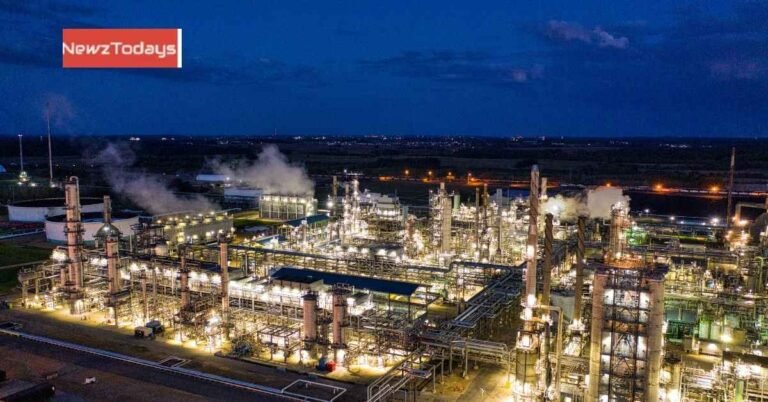
Oil Prices Stay Elevated Despite Gulf Export Recovery
Brent crude oil prices have remained consistently above $116 per barrel, defying expectations after reports of normalized oil exports from the Gulf. Despite the increase in Gulf oil flows, persistent security risks, rising freight charges, and high insurance premiums continue to add a significant war risk premium to oil prices.
Maritime Security Risks Sustain Price Pressure
Although oil shipments through the Strait of Hormuz have reportedly returned to pre-conflict levels, the threat of renewed hostilities and attacks on tankers has created destabilizing conditions for the oil market. Over recent weeks, multiple vessels have been targeted with drone or missile strikes, severely disrupting shipping operations. This has notably affected tankers’ availability, intensified by Saudi Arabia’s shift to ship-to-ship transfers near Oman to reduce tanker vulnerability.
According to UBS commodity strategist Giovanni Staunovo, “The recovery has coincided with a sharp deterioration in maritime security, with vessels still exposed to attacks, and insurance and freight costs rising sharply.” These factors contribute directly to elevated oil prices by maintaining a substantial war-related risk premium.
Supply Tightness and Elevated Costs Impact Market Dynamics
Additionally, the global oil supply cushion has diminished considerably. Physical supply constraints, alongside diesel shortages and long-lasting disruptions in some production zones, have tightened market conditions. High freight costs have pushed producers in the Middle East to offer discounts on their oil to encourage demand, which, paradoxically, has not significantly eased prices due to the unstable shipping environment.
JP Morgan’s head of global commodities, Natasha Kaneva, has highlighted the disparity between fair oil valuation and current market prices. Her model estimates Brent crude’s fair price at $94 per barrel; however, the market continues to price Brent above $116. This discrepancy underscores how geopolitical and logistical risks heavily influence oil valuation beyond traditional supply and demand factors.
Implications for Pakistan’s Energy Market
For Pakistan, an energy-importing nation heavily dependent on oil, sustained high crude prices come with significant consequences. Elevated global oil rates translate into increased costs for transportation, fuel, and electricity generation, intensifying Pakistan’s energy import bill. This situation hampers economic stability, inflation control, and energy affordability for consumers. Moreover, ongoing geopolitical tensions suggest that price volatility may persist, encouraging Pakistan to explore diversified energy sources and enhance energy security measures.
With international oil prices unlikely to drop below $100 per barrel unless a credible peace settlement arises, Pakistan and other countries may need to prepare for prolonged periods of high energy costs amid continuing Middle East unrest.