Pakistan Seeks to Restart $6 Billion Refinery Upgrade Plan
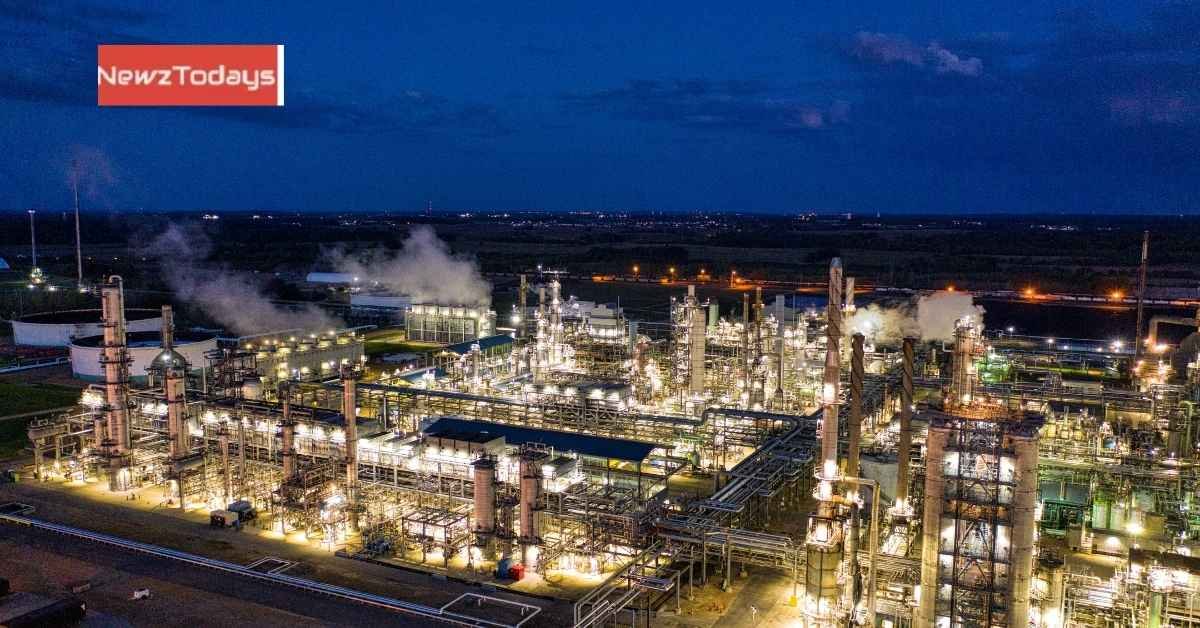
Pakistan is making renewed efforts to restart a stalled $6 billion plan aimed at upgrading the country’s oil refineries, according to recent government developments. The initiative, which has been on hold since June 2024, is critical to the modernization of the local refining sector and the country’s energy security.
The refinery upgrade plan involves major investments by local refinery companies intending to modernize facilities and improve operational efficiencies. However, progress halted due to financial challenges linked to changes in the taxation system on petroleum products.
The core issue began when the government exempted petrol, diesel, kerosene, and light diesel oil from sales tax. While this move was aimed at reducing tax burdens on consumers, it inadvertently disrupted the financial mechanics for refineries. The exemption prevented refineries from recovering input taxes paid on operations and imported materials, which created a liquidity crunch and undermined their ability to fund the planned upgrades. Consequently, foreign investors and lenders withdrew support, stalling the entire project.
In response, the government convened a high-level meeting at the Finance Ministry, bringing together key stakeholders including the finance minister, petroleum minister, Federal Board of Revenue chairman, and heads of local refineries. The agenda focused on finding a viable solution to unlock the stalled investment.
One major proposal discussed during the meeting involves providing refineries a guaranteed additional earning of Rs 1.87 per liter on fuel sales over the next six to seven years. This mechanism is intended to offer a stable revenue stream for refineries, enabling them to secure financing from banks and investors. Furthermore, the government is considering removing import duties on machinery required for refinery upgrades and plans to seek approval from the International Monetary Fund (IMF) to implement these measures formally.
The successful implementation of the refinery upgrades is seen as vital for Pakistan’s energy sector. Upgraded domestic refineries would reduce dependence on costly imports of refined petroleum products, thereby lowering fuel prices for consumers in the long term. Additionally, enhancing local refinery capacity would contribute to greater energy security by boosting self-reliance in fuel production.
Stakeholders remain cautiously optimistic as the government works to finalize the framework that will facilitate investment resumption. A swift resolution is considered important to avoid further delays that could increase energy costs and dependency on international markets.
As the situation develops, the Pakistani government and refinery companies are expected to maintain close coordination to ensure that financial and regulatory obstacles are addressed effectively, allowing the $6 billion refinery upgrade plan to progress.