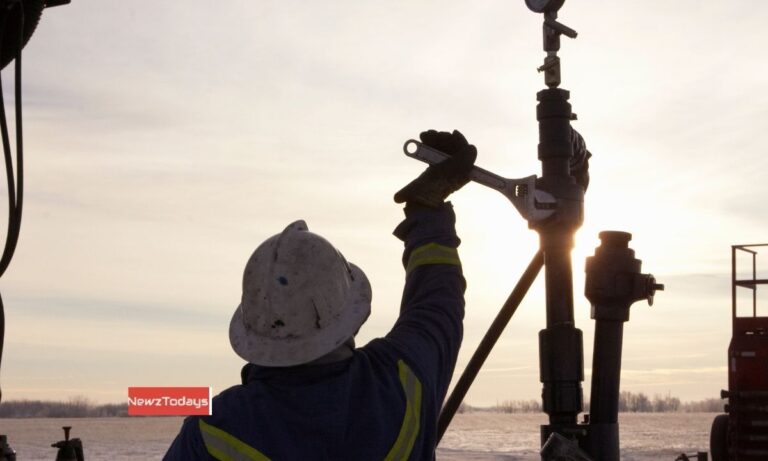
QatarEnergy Seeks Long-Term Crude Deals Amid Hormuz Recovery
Major global oil traders are actively negotiating long-term contracts for crude oil supply with QatarEnergy for 2027 as oil flows through the Strait of Hormuz improve following recent tensions in the region.
Resilience in Strait of Hormuz Boosts Trade Talks
The Strait of Hormuz, a crucial chokepoint for global oil shipments, has seen oil flows nearly return to pre-conflict levels since August, despite the surge in tanker attacks last October. Traders experienced in navigating wartime shipping risks are increasingly confident in securing year-long supply agreements for Qatari crude, particularly the Qatar Marine and Land grades.
While some refiners remain cautious due to ongoing concerns over shipping security in the Persian Gulf, commodity trading houses—often responsible for shuttling shipments through Hormuz—are showing a stronger willingness to commit to long-term deals. These developments come against a backdrop of declining Middle Eastern crude prices, expected oversupply in the market, and reduced competition from refiners.
Shift Toward Smaller Tankers Amid Security Risks
The volatile security environment, underscored by a record number of tanker attacks targeting supertankers and very large crude carriers, has prompted a shift toward using smaller vessels. These smaller tankers moved the highest volumes of oil through the strait since the conflict began, taking advantage of the rising rates for supertankers and enabling shipments via ship-to-ship transfers in the Gulf of Oman.
This adaptation by producers, traders, and importers has played a significant role in sustaining crude volumes through the key shipping lane despite ongoing threats.
Implications for Pakistan’s Energy Security
For Pakistan, a country heavily reliant on oil imports, the ability of major producers like Qatar to maintain and potentially expand steady crude supplies through the Strait of Hormuz is critical. Stable access to Qatari oil under long-term agreements can help Pakistan better plan its energy procurement amid global market volatility and geopolitical risks.
As energy markets remain sensitive to developments in the Middle East, Pakistan’s stakeholders need to monitor these supply chain adjustments closely. Securing reliable crude oil deliveries at competitive prices remains essential for Pakistan’s economic stability and energy security.
“We are witnessing a strategic shift in how crude oil is moved through traditionally high-risk areas,” noted an industry insider involved in the negotiations, highlighting the evolving dynamics of oil trade in the Gulf region.