

Tax Ombudsman Urges Uniform Tax on Net Metering Bills
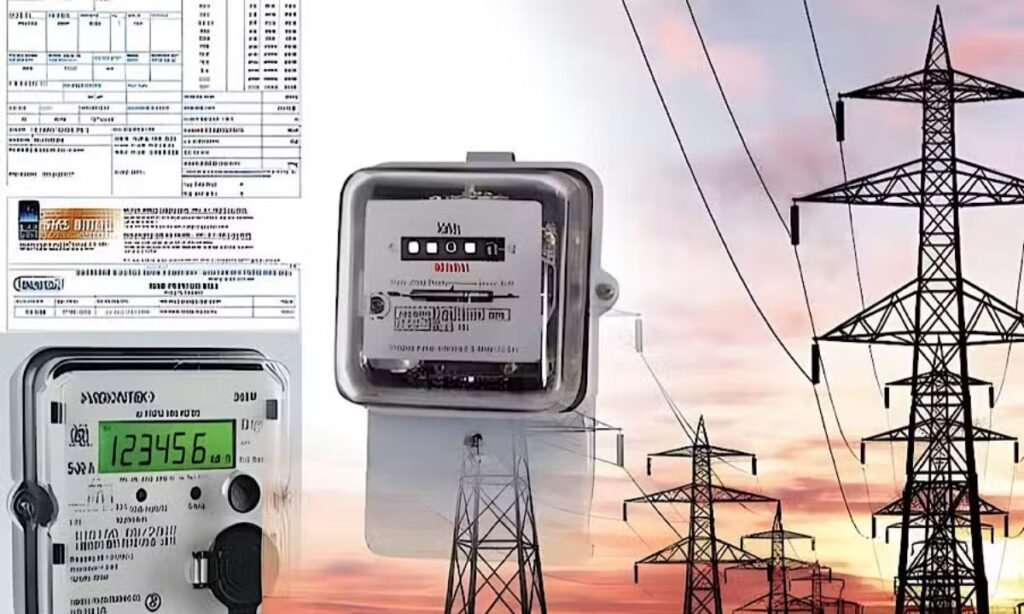
The Federal Tax Ombudsman (FTO) has recently clarified that its office does not serve as an adjudicating authority in tax matters and cannot determine tax liabilities for taxpayers. He also urged Uniform Tax on Net Metering Bills. This statement comes amid ongoing confusion and complaints regarding the inconsistent tax treatment of net metering bills across Pakistan.
About Nepra role, the newly appointed FTO emphasized that its role is limited to administrative oversight and resolving grievances, not deciding on tariff or regulatory policies under the National Electric Power Regulatory Authority (NEPRA).
Read More: Solar Net Metering is Almost Dead in Pakistan
Key Details on FTO’s Position and Recommendations
- The FTO reiterated that it does not have jurisdiction to adjudicate tax liabilities or alter NEPRA’s billing structures.
- The controversy centers on differing tax practices applied by various electricity distribution companies (DISCOs), including K-Electric, which has led to consumer complaints about discriminatory treatment.
- The FTO found no deliberate discriminatory intent by tax authorities but attributed grievances to a lack of uniform implementation and clarity at the national level.
- DISCOs and K-Electric act primarily as billing and collection agents under statutory frameworks, and fiscal matters require national-level policy consistency rather than fragmented regional approaches.
- The Federal Board of Revenue (FBR) had issued clarifications on the tax treatment of net metering bills, but uneven application persists across jurisdictions.
- The FTO recommended that the FBR take charge of ensuring uniform tax treatment by consulting relevant stakeholders and issuing clear instructions to all field offices.
- A compliance report and copies of instructions for uniform implementation must be submitted to the FTO within 60 days.
Net Metering Tax Dispute
Net metering allows consumers generating solar or other renewable energy to offset their electricity consumption by feeding surplus power back to the grid. However, the tax treatment of these net metering bills has been inconsistent, with some distribution companies charging taxes differently, causing confusion and complaints, particularly among K-Electric customers.
The issue highlights the intersection of fiscal policy and NEPRA’s regulatory framework, where administrative clarity and uniformity are essential to avoid inconsistent consumer experiences and legal challenges.
The Federal Board of Revenue’s response to the FTO’s recommendations will be critical in resolving this matter. Stakeholders will be watching for clear, enforceable guidelines from the FBR to ensure consistent tax treatment of net metering bills nationwide. The submission of the compliance report within the stipulated 60-day timeframe will also be a key milestone to monitor.
Meanwhile, consumers and industry observers await further developments that could impact billing practices and regulatory policies related to renewable energy integration in Pakistan’s power sector.