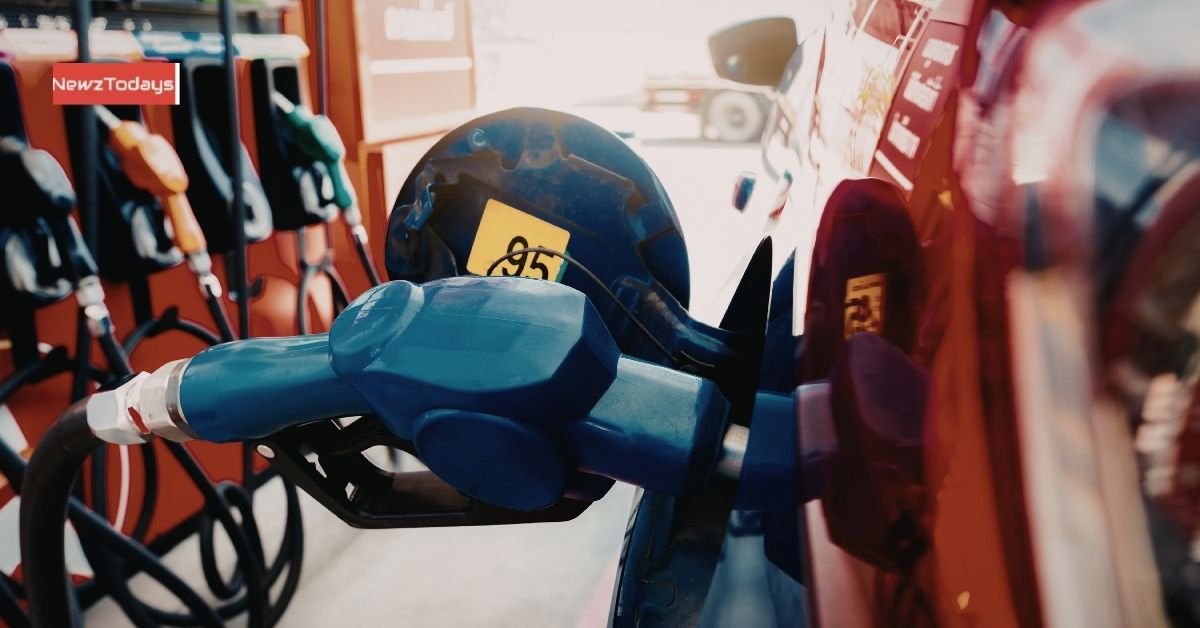
Oil prices seen up Rs30 Per Litre
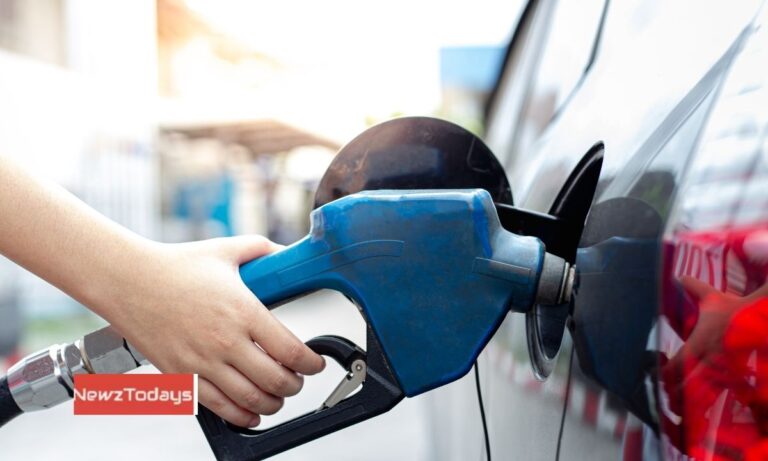
Pakistan oil prices are expected to rise by around Rs30 per litre in the next review, while the government weighs targeted relief measures and tighter monitoring across the oil supply chain.
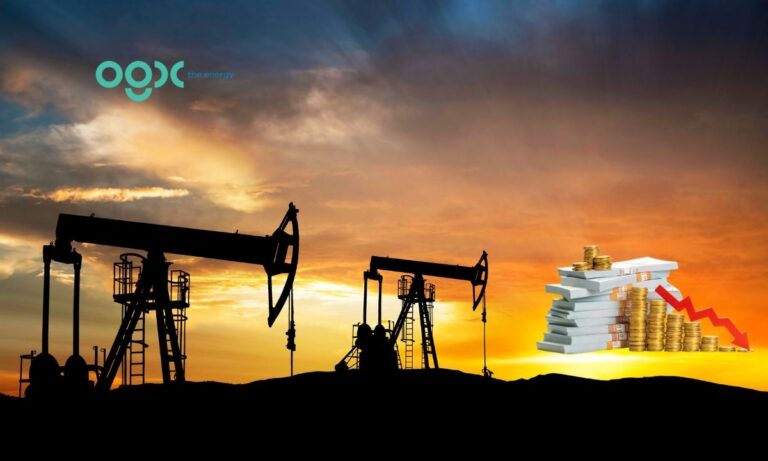
Pakistan oil prices are likely to increase by about Rs30 per litre for both petrol and diesel in the upcoming revision, based on prevailing international benchmarks forming the pricing basis. The expected adjustment reflects continued pressure from global gasoline and gasoil rates, which directly feed into domestic pricing under the existing mechanism.Maintaining Oil Prices to hit oil industry’s cash flow
The government is simultaneously examining relief options for lower-income motorists, particularly users of two- and three-wheelers, as rising fuel costs disproportionately affect daily commuters and small transport operators. Discussions are ongoing around targeted support measures rather than broad subsidies, indicating a shift towards selective cushioning of vulnerable segments.
Regulatory oversight is also being strengthened as authorities move to improve transparency in the downstream oil sector. OGRA is rolling out a system to capture station-level sales and inventory data through a dedicated mobile application. The initiative aims to provide real-time visibility into retail operations and reduce discrepancies in reporting during periods of price volatility.
In parallel, the government has constituted FIA teams to ensure reconciliation of oil stocks across the supply chain. The move is intended to curb potential irregularities, including hoarding or misreporting, especially ahead of expected price revisions. Enhanced enforcement reflects concerns about supply distortions when price adjustments are imminent.
The impact of fiscal measures is already visible in the high-octane fuel segment. A sharp increase in petroleum levy on high-octane gasoline has significantly reduced demand, with initial sales data indicating a drop of around 50% on the first day after the new price took effect. Daily sales fell to about 0.7 million litres on March 23 from a previous average of 1.6 million litres, highlighting strong price sensitivity among consumers of premium fuels.
Following the high-octane adjustment, authorities are expected to review the petroleum development levy and subsidy framework for other fuels. Any revision in PDC or subsidy mechanisms is likely to be aligned with broader fiscal constraints while introducing limited relief measures for low-income motorists. Policymakers appear focused on balancing revenue needs with social protection considerations.
Energy conservation measures are also under active consideration as part of the broader response to rising fuel costs. Proposals include extending school holidays, promoting work-from-home arrangements, and implementing austerity steps to reduce fuel consumption. These measures aim to ease demand pressures and manage the import bill without directly intervening in pricing.
Supply conditions remain relatively stable, with Pakistan maintaining moderate inventory levels. As of March 23, the country’s petrol stock cover stands at around 24 days, while diesel cover is approximately 28 days. These levels suggest short-term supply security, although sustained high prices could influence demand patterns and replenishment strategies.
Another policy option under discussion is the introduction of ethanol blending in petrol. The proposal has resurfaced as a potential way to reduce reliance on imported gasoline and mitigate the impact of high international prices. Blending ethanol with petrol could offer partial cost relief, but implementation would require adjustments in infrastructure, pricing, and quality standards.
The overall policy direction indicates a combination of price adjustments, targeted relief, stricter regulation, and demand management. The expected increase in Pakistan oil prices underscores the continued exposure of the domestic market to global energy trends, while ongoing measures reflect efforts to contain the economic and social impact of rising fuel costs.