Murphy Oil Wins Israeli Offshore Gas Licenses Near Leviathan
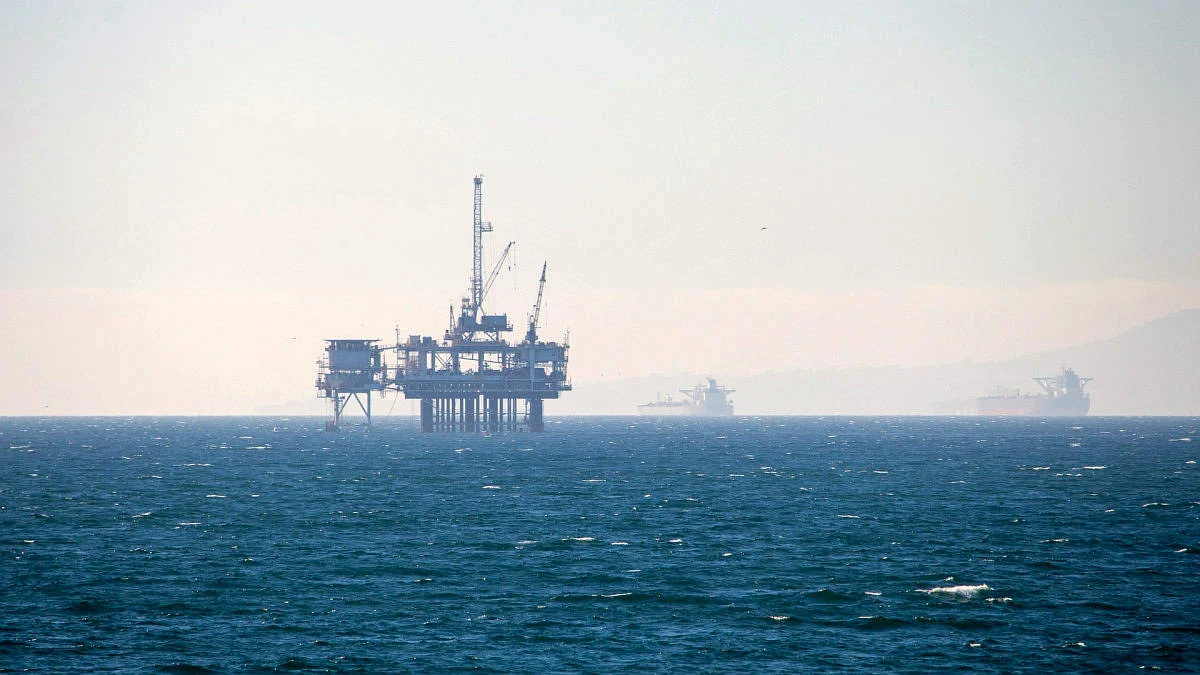
Houston-based Murphy Oil has secured six offshore natural gas exploration licenses in Israeli waters, marking its first entry into the Eastern Mediterranean gas sector. The licenses span about 1,700 square kilometers of seabed approximately 25 kilometers southwest of the Leviathan gas field, Israel’s largest offshore resource.
Details of the Israeli Offshore Gas Exploration Licensing
The Israeli Energy Ministry awarded these Zone G licenses to Murphy Oil and its local partner, Ratio Energies, on Monday. Murphy will act as the operator, with ownership shared equally between the partners. This development follows a pause in exploration activities due to regional conflicts — the Gaza war in October 2025 had previously caused delays and withdrawals, notably by Italy’s Eni.
Eni had initially won the Zone G licenses alongside Ratio Energies and Korea-owned Dana Petroleum in late 2023 but withdrew after reassessing investment allocations and responding to political pressures amid rising tensions. Murphy Oil replaced Eni, stepping into a strategically vital position in the Israeli gas market.
Context and Significance for Regional Energy Dynamics
Israel’s offshore gas fields have been impacted by conflict disruptions recently, with production halts at Leviathan during clashes in early 2026 and mid-2025. Leviathan itself is a significant supplier to Egypt, operating under a $35 billion gas export deal, which has gained importance due to volatile shipping conditions in the Strait of Hormuz.
The Eastern Mediterranean basin offers a secure gas export route to Europe and Egypt, avoiding the Gulf’s chokepoints. The Atlantic Council estimates this region could potentially sustain 30 to 40 billion cubic meters of gas exports annually if development proceeds. That has elevated the strategic value of Israel’s offshore gas reserves, especially as Egypt manages the region’s sole liquefied natural gas (LNG) export facilities.
Implications for Pakistan’s Energy Outlook
The shift in Eastern Mediterranean gas exploration and export capabilities may influence global energy markets, including supply dynamics in Asia. Pakistan, which relies significantly on LNG imports to meet domestic demand, could benefit indirectly from the diversification of gas sources beyond traditional suppliers in the Gulf. Stability and expansion of Israeli gas production, operated now by key U.S. players such as Murphy Oil and Chevron, might contribute to global price stabilization and new trade corridors.
Energy Minister Eli Cohen highlighted the strategic role of natural gas in boosting Israel’s economic and diplomatic standing, underscoring regional shifts that Pakistani policymakers and energy investors should monitor closely for future opportunities or challenges in the LNG sector.
The current licenses require drilling exploration wells within 36 months, setting a timeline for potential new discoveries or production increases in this geopolitically sensitive area.