
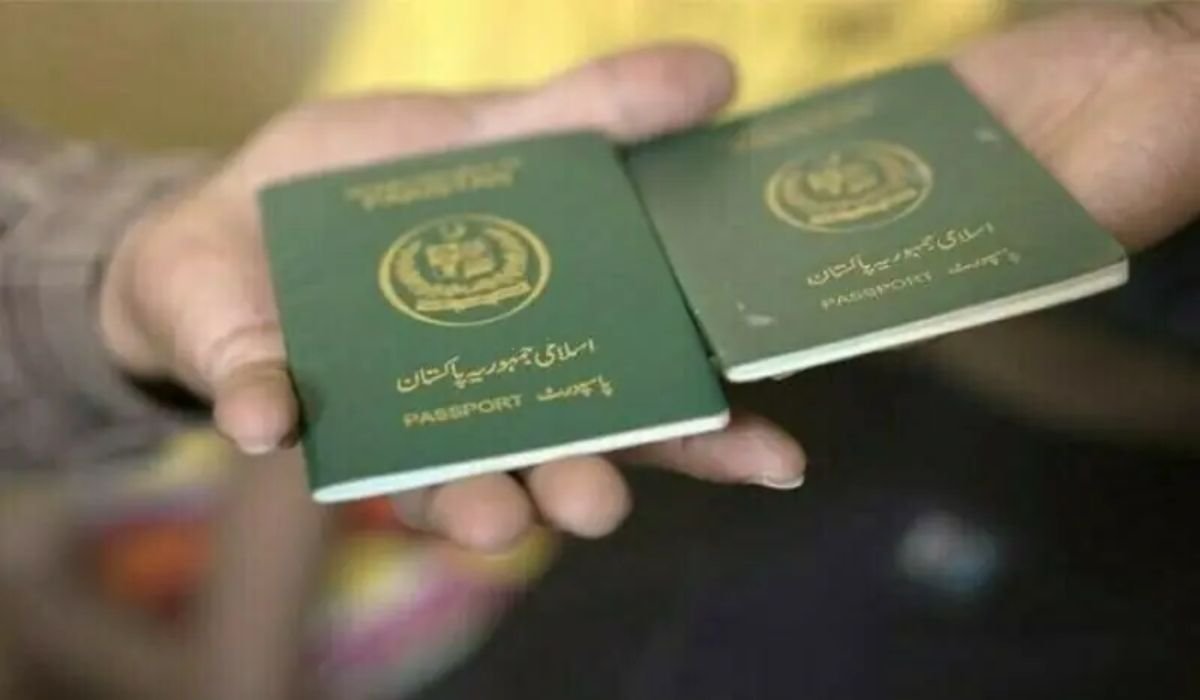
US May Revoke Passports Over Unpaid Child Support Debts
The United States government is considering stringent new measures against citizens who fail to meet court-ordered child support payments, including the possible revocation of passports for those with substantial arrears.
According to reports, the administration of former President Donald Trump has approved a policy that would allow the U.S. Department of State to coordinate with the Department of Health and Human Services to identify individuals with significant overdue child support obligations. The aim is to enhance compliance and ensure child welfare by applying stricter enforcement.
Initially, the policy targets individuals who owe $100,000 or more in unpaid child support. However, plans are underway to widen the scope to include those with debts exceeding $2,500, which would broaden the policy’s impact significantly. This expansion could affect thousands more citizens who are in arrears.
Unlike prior regulations that mainly focused on restricting the renewal of passports for delinquent payers, the updated rules would permit authorities to revoke already issued passports. This marks a major escalation in enforcement tactics, potentially grounding affected individuals until they clear their arrears.
It is estimated that around 2,700 U.S. passport holders could face immediate consequences under these new rules. Individuals whose passports are revoked would be allowed to reapply only after fully settling their outstanding child support payments.
The initiative also calls for enhanced data sharing between federal agencies. The Department of Health and Human Services will provide updated lists of those delinquent in child support payments to federal authorities to enforce these measures effectively.
Child support enforcement programs have been an integral part of U.S. welfare laws since the late 1990s, including tools such as wage garnishment and tax refund interception. The impending policy reflects a continuation and intensification of efforts to ensure parents meet their financial responsibilities to their children.
Supporters argue that the move will increase accountability and secure necessary financial support for children. Conversely, critics express concerns about the broader social and economic impacts of restricting travel and revoking passports, especially considering the potential consequences for affected families and individuals.
This development is part of broader efforts to improve child welfare and enforce financial obligations through federal agencies.
Related Stories
- NAB Probes Sindh Highway Contracts, Notices Issued to 40 Firms
- Pakistan Signs Agreement to Acquire Chinese J-35 Stealth Jets
- Pakistan Single Window, TDAP Sign MoU to Enhance Digital Trade
- Aga Khan Foundation, Bank Alfalah Launch Flood Recovery in Gilgit-Baltistan
- Pakistan Rejects LNG Spot Bids Awaiting Cheaper Qatari Supply