
Private Schools Oppose Punjab’s Proposed Summer Vacation Dates
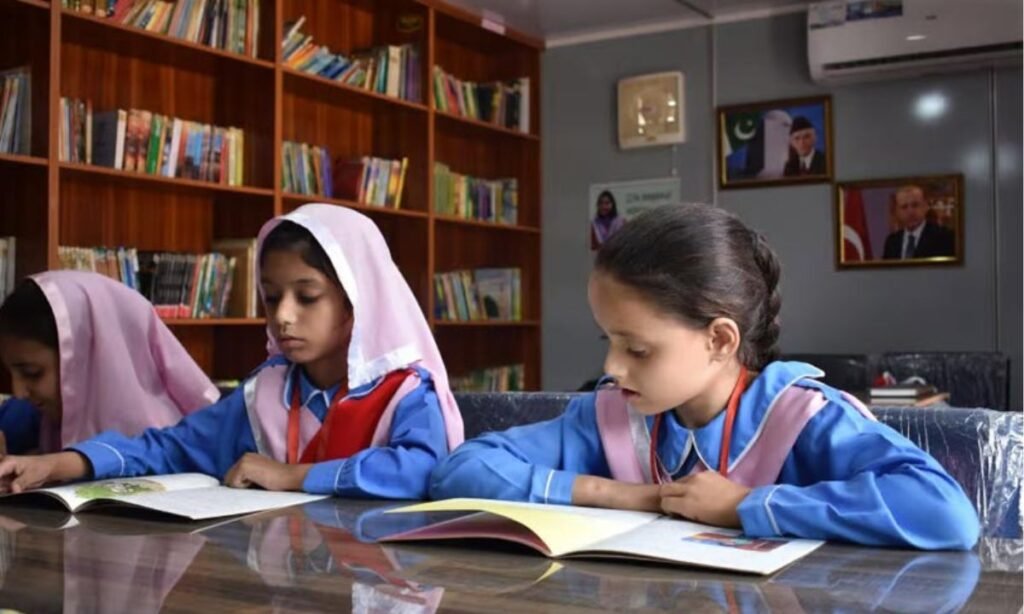
Major private school associations in Pakistan have voiced strong opposition to the Punjab government’s proposal to set summer vacation from May 22 to August 23 for all educational institutions. Representatives from these associations have expressed concerns that such an extended break, lasting nearly three months, could have detrimental effects on students’ academic progress and overall education quality.
These associations have announced plans to legally challenge the official summer vacation schedule in the Lahore High Court, including its benches in Rawalpindi, Multan, and Bahawalpur. Their objection centers around the belief that a prolonged summer break can result in diminished student interest in studies, increased screen time, and a rise in activities unrelated to academics.
Dr. Abrar Hussain Malik, a vocal critic of the extended vacation timeline, emphasized that lengthy school closures risk disrupting the continuity of learning. He pointed out that millions of children in Pakistan are already out of school and warned that extended holidays could exacerbate dropout rates and educational disruption.
On the other hand, Irfan Muzaffar Kayani highlighted the negative implications of the early summer break decision on the education sector, suggesting that the vacation period be adjusted to run from June 1 to August 14 instead. Kayani also urged the authorities to permit summer camps, particularly for students in grades nine and ten, as an alternative to a lengthy closure.
Additional voices from private educational institutions recommended reducing the total number of vacation days. They proposed instead modifying school operating hours during periods of extreme heat to ensure both students and staff are safeguarded without halting academic activities altogether.
This pushback from private schools comes amid growing debates on how best to balance climatic conditions, student welfare, and educational continuity. While the government aims to protect students and staff from harsh summer temperatures, the private education sector stresses the importance of maintaining consistent academic engagement and minimizing learning losses.
The controversy highlights larger challenges facing Pakistan’s education system, especially in terms of policy coordination, climate adaptability, and managing diverse stakeholder interests across public and private sectors.