


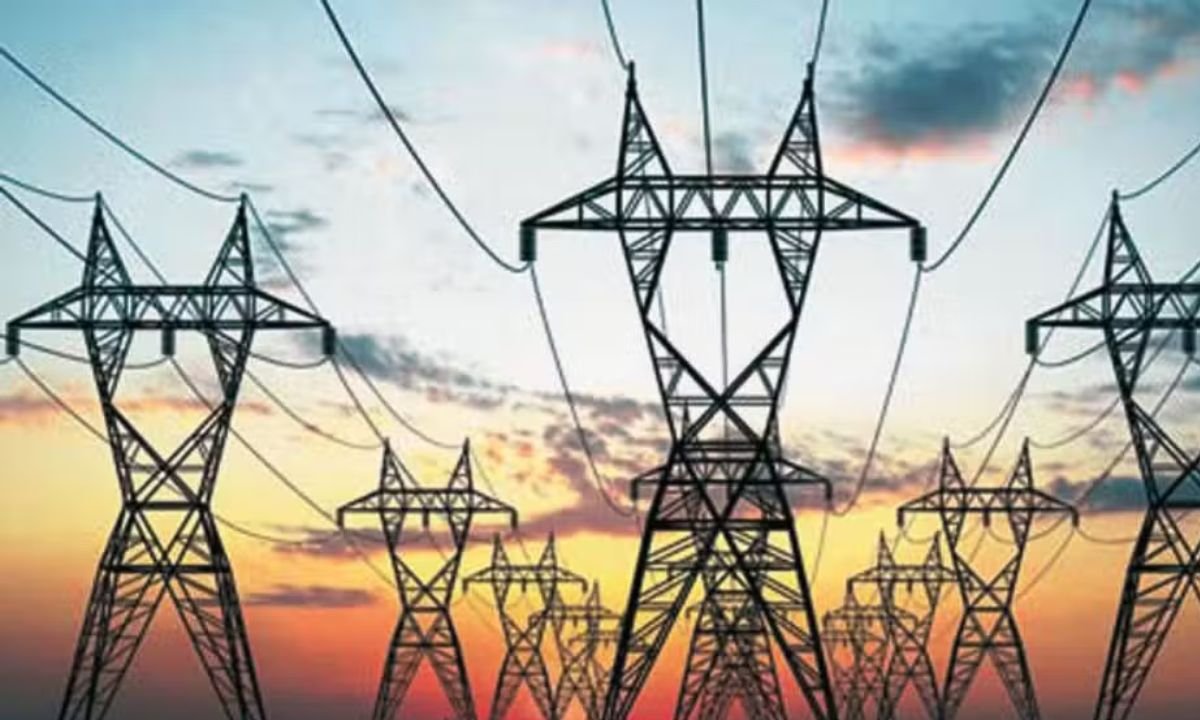
AI Expansion Drives Massive Demand for Electricity
The rapid rise of artificial intelligence (AI) technologies is triggering an unprecedented surge in energy demand globally. Industry experts warn that the AI revolution requires vast amounts of electricity, making power access a significant bottleneck for future growth.
According to estimates by consulting firm McKinsey, investments in AI-related infrastructure could surpass $5 trillion by 2030. Real estate services company JLL projects the need for about 100 gigawatts of new data center capacity worldwide over the same timeframe. These so-called “AI factories”—large campuses equipped with advanced processors, cooling systems, and networking hardware—are consuming energy at a scale comparable to major cities.
Until now, much of the focus in the AI sector has been on developing chips, refining models, and improving software. However, the most critical and scarce resource has emerged as reliable electricity supply. Utilities across North America and Europe are strained by dozens of requests for hundreds of megawatts from AI campuses. Many are experiencing multi-year delays due to interconnection studies, transmission infrastructure upgrades, and equipment procurement.
This energy bottleneck is compelling companies to adopt new strategies to secure power. Technology giants like Microsoft are investing in restarting nuclear reactors, such as the one at Three Mile Island, while Google has inked deals involving next-generation nuclear power. Other major players, including Amazon, Meta, Oracle, and OpenAI, are negotiating long-term energy contracts, developing dedicated power generation capabilities, and committing to large scale infrastructure improvements to meet their future energy needs.
Some companies began preparing for this transition years ago. For example, Bitzero, a firm originally focused on Bitcoin mining, prioritized securing low-cost electricity before deploying computing infrastructure. Bitzero has developed access to more than one gigawatt of potential power capacity in locations such as Norway, Finland, and North Dakota. These regions benefit from abundant hydroelectric power, cool climates, and stable regulatory environments, making them highly attractive for energy-intensive operations.
As AI continues to expand, the energy sector’s role becomes increasingly pivotal. Meeting the massive electricity demand will require significant investments in power generation and transmission infrastructure. This shift highlights the intertwined futures of technological innovation and energy development, with sustainable and reliable electricity supply being essential to sustaining AI’s transformative growth.