Government Restricts Diesel Imports to PSO
In an effort to stabilize Pakistan’s economy and manage fuel imports more effectively, the federal government has placed restrictions on private oil marketing companies (OMCs) from importing High-Speed Diesel (HSD) independently. Under this new policy, only the state-owned Pakistan State Oil (PSO) will be allowed to serve as the primary importer of diesel.
The decision, approved by the National Coordination and Management Council (NCMC), aims to address two critical economic concerns. Firstly, it is designed to protect foreign exchange reserves by aligning diesel imports with available dollar resources. Diesel constitutes a significant portion of Pakistan’s $20.22 billion annual fuel import bill, making import control a priority for the government.
Secondly, the move intends to support local refineries, including major players like PARCO and Attock. Industry stakeholders have complained that private imports often result in excess diesel supply, forcing local refineries to reduce production. By channeling imports through PSO, the government hopes to prioritize the consumption of domestically refined diesel before allowing additional imports.
This restriction is not a permanent ban on private diesel imports. Private OMCs may still import diesel, but only after obtaining prior approval from the NCMC. This step introduces a layer of regulation to monitor import volumes and allocate foreign exchange more efficiently.
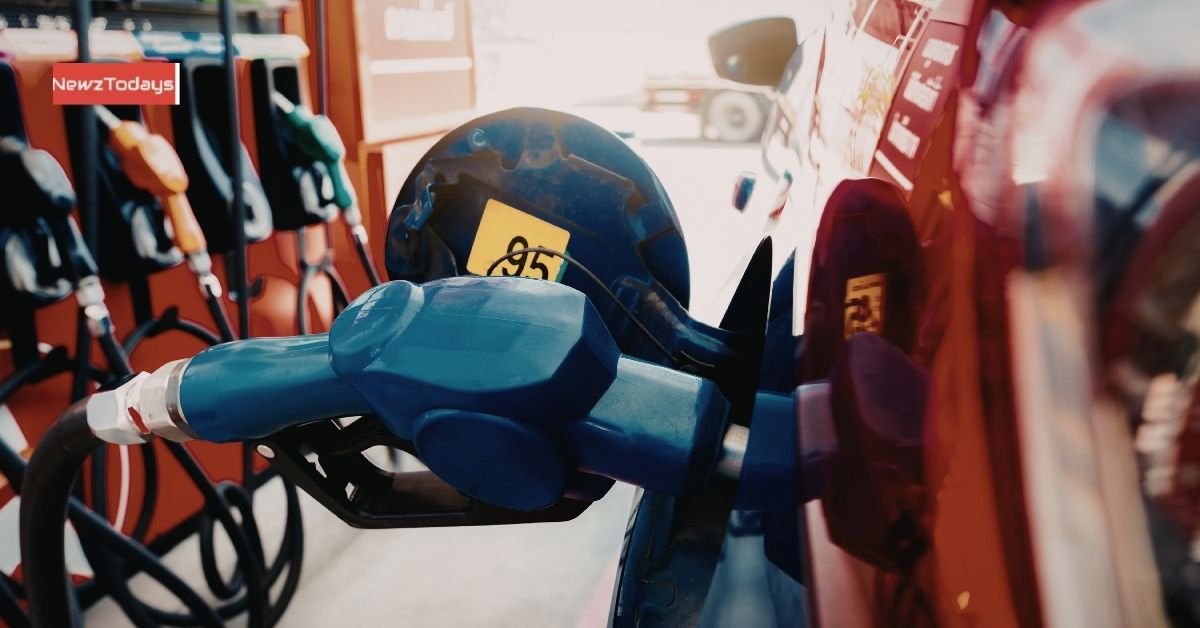
Consumers can expect limited immediate impact at the fuel pump. Retail diesel prices will continue to be regulated under the existing government pricing formula and cycles. Private fuel stations, including those operated by international brands such as Shell, Total, and GO, will continue to sell diesel. However, their supply will primarily come from local refineries or through purchases from PSO instead of direct imports.
While the supply is not expected to face immediate shortages, concentrating diesel imports through a single entity introduces supply chain risks. Should PSO encounter logistical issues, the lack of alternative import sources may disrupt supply temporarily. Some consumers have expressed concern over the potential loss of certain imported diesel blends, although fuel quality standards remain regulated by the Oil and Gas Regulatory Authority (OGRA).
The sectors most sensitive to this policy shift are freight transport and agriculture, which rely heavily on uninterrupted diesel supplies. Delays or disruptions could lead to increases in transportation and food costs, affecting the broader economy.
This policy represents a strategic choice by the government to favor tighter import control and foreign exchange management at the expense of market flexibility. The successful implementation of this measure hinges on PSO’s capacity to efficiently manage increased import responsibilities without disruption.
Consumers are advised not to panic or hoard fuel but to stay informed of further developments. This centralized import model marks a significant change in Pakistan’s diesel supply chain management, with implications for the automotive, transport, and agriculture sectors nationwide.