


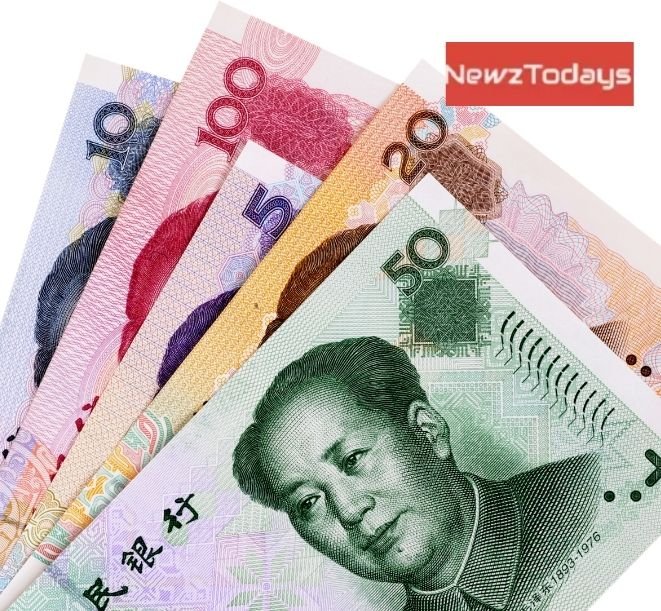
Pakistan to Issue First Yuan Bond Worth 1.75bn Yuan
Pakistan is set to make its debut in China’s onshore bond market by issuing yuan-denominated bonds valued at up to 1.75 billion yuan, equivalent to approximately $257 million. This marks the country’s first foray into issuing bonds in China’s local currency, reflecting a strategic move to diversify its financing sources amid global economic challenges.
The proposed bonds are planned as three-year sustainable development instruments, with pricing potentially slated for next week, according to informed sources familiar with the matter. These sources noted that the Asian Infrastructure Investment Bank (AIIB) and the Asian Development Bank (ADB) will jointly provide a guarantee covering 95 percent of the bond’s total value, thereby offering substantial security to investors.
As details of the issuance are still being finalized, the terms may be subject to adjustments before the official offering. Nonetheless, the decision signals Pakistan’s intention to leverage international financial markets and tap into the growing trend of using yuan-denominated debt instruments, known as “panda bonds,” which have gained increasing traction recently.
Market data highlights a significant rise in panda bond issuances, which reached a record 84.2 billion yuan in the first quarter of this year—doubling the volume recorded during the same period last year. This surge is attributed to China’s efforts to internationalize the yuan and to the cost advantages it offers amid fluctuating global funding rates. Furthermore, yields on Chinese government bonds have remained stable, with the 10-year government bond yield hovering around 1.757 percent, reflecting investor confidence in Chinese fixed-income assets.
Beyond Pakistan, other regional economies are also exploring access to China’s bond market. Indonesia’s finance minister has indicated plans to issue panda bonds, underscoring the growing interest of Asian governments in China’s onshore debt offerings. Offshore borrowers have increasingly turned to China’s bond market, seen as a relatively stable financing avenue amid global geopolitical uncertainties and ongoing Middle East tensions.
For Pakistan, this yuan bond issuance offers an opportunity not only to raise funds for sustainable development projects but also to strengthen financial ties with China, a key economic partner. The involvement of multilateral institutions like AIIB and ADB further supports the project’s credibility and aligns with Pakistan’s broader economic and infrastructural development goals.
As Pakistan moves forward with this bond issuance, market participants and observers will watch closely to assess its impact on the country’s financing strategy and its role in the expanding landscape of yuan-denominated international bonds.