Pakistan’s Auto Policy 2026-31 Favors PHEVs and NEVs
Pakistan’s forthcoming Auto Industry Development and Export Policy (AIDEP) 2026-31 marks a significant shift in the country’s approach towards clean vehicle adoption, particularly emphasizing plug-in hybrid electric vehicles (PHEVs) and other new energy vehicles (NEVs).
The draft policy expands the definition of clean vehicles beyond traditional battery electric vehicles (BEVs), now officially recognizing a wider range under NEVs. This category includes BEVs, PHEVs, range-extender EVs (REEVs), and fuel cell vehicles (FCVs), signaling a more inclusive strategy to promote electric and near-electric transport technologies.
One of the key features of the policy is the introduction of preferential tax incentives aimed at NEVs with plug-in capabilities. The government proposes to reduce sales tax on PHEVs and REEVs dramatically, from 8.5% to 1%, while also exempting these vehicles from Federal Excise Duty (FED), Capital Value Tax (CVT), and Withholding Tax (WHT). Conversely, traditional self-charging hybrid electric vehicles (HEVs), which are excluded from the NEV category, will face higher taxes, including a 9% sales tax and increased customs duties on hybrid-specific parts.
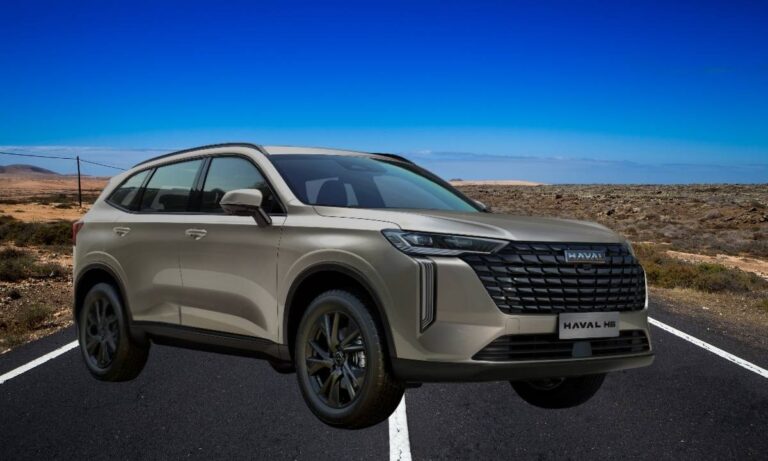
This tax restructuring is expected to make PHEVs from manufacturers such as BYD and MG more affordable compared to conventional hybrids from brands like Toyota and Haval, despite the higher cost of their batteries. In this way, the policy aims to incentivize vehicles combining electric propulsion with conventional fuel backup, offering a practical solution to Pakistan’s existing infrastructural limitations.
Recognizing the challenges in charging infrastructure, especially for apartment dwellers and intercity travelers, the policy underscores the strategic advantage of PHEVs and REEVs. These vehicles provide electric operation for usual commutes while maintaining a gasoline-powered range for extended trips, effectively bridging the gap until a reliable public charging network is in place.
To encourage infrastructure development, the policy proposes zero customs duty on charging stations and battery-swapping equipment, and a reduced 5% duty on imported fully built units (CBU) chargers. This support is crucial to creating a viable ecosystem for NEVs in Pakistan.
Another significant focus of the policy is localization and import duty adjustments. NEV-specific parts will attract a modest 1% customs duty for the initial three years (2026-2029), increasing to 5% afterward. The government has set ambitious localization goals, aiming for 30% local value addition by 2028 and 50% by 2031 for four-wheelers. For two-wheelers and smaller electric vehicles (categories L6 and L7), the target is 85% domestic content by 2030, particularly emphasizing high-tech components like battery management systems and electric motors.
Interestingly, the policy places attention on compact closed-body electric vehicles in the L6 and L7 categories—larger than motorcycles but smaller than cars—offering a cheaper and safer alternative to motorcycles for urban middle-class families. These vehicles will benefit from low sales tax (1%) and minimal CKD import duties, aiming to price them under Rs. 1.5 million.
Regarding fully imported NEVs, the policy sets a progressive tariff reduction, starting from 45% in 2026 and decreasing to 35% by 2031 to maintain competitive pricing and market availability. The freight and commercial vehicle sector also gains from a low 1% duty on prime movers and buses until 2029, supporting green logistics initiatives.
In summary, the AIDEP 2026-31 policy clearly favors PHEVs and urban electric vehicles by offering substantial tax incentives, focusing on practical infrastructure solutions, and promoting local manufacturing capabilities. Traditional automakers relying solely on internal combustion engines or conventional hybrids may face challenges due to these regulatory changes.
For consumers, the policy promises more affordable plug-in hybrid options and encourages adoption of NEVs that balance electric driving with real-world usability. Industry watchers anticipate this policy will shape Pakistan’s automotive landscape by bridging the gap to a fully electric future.